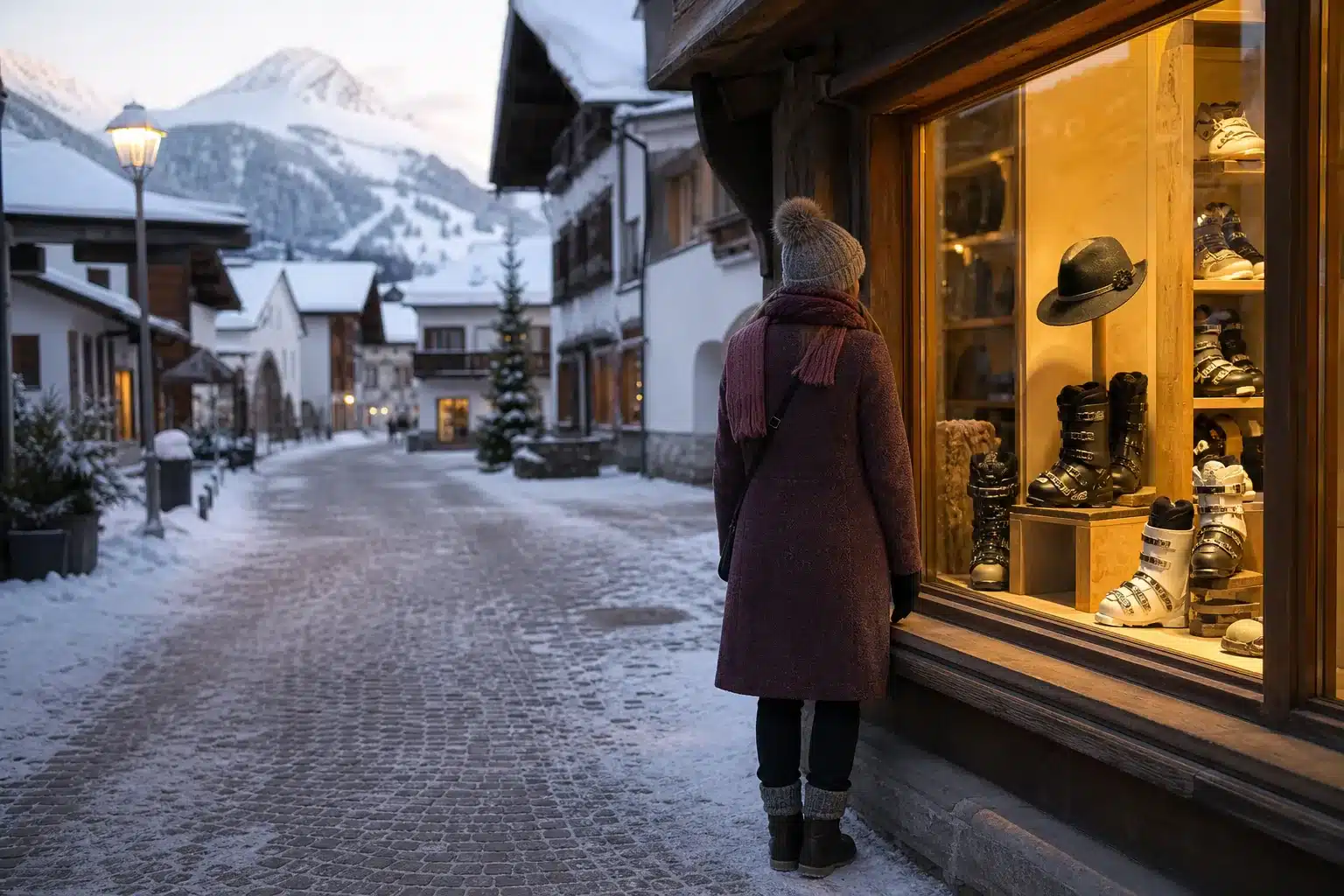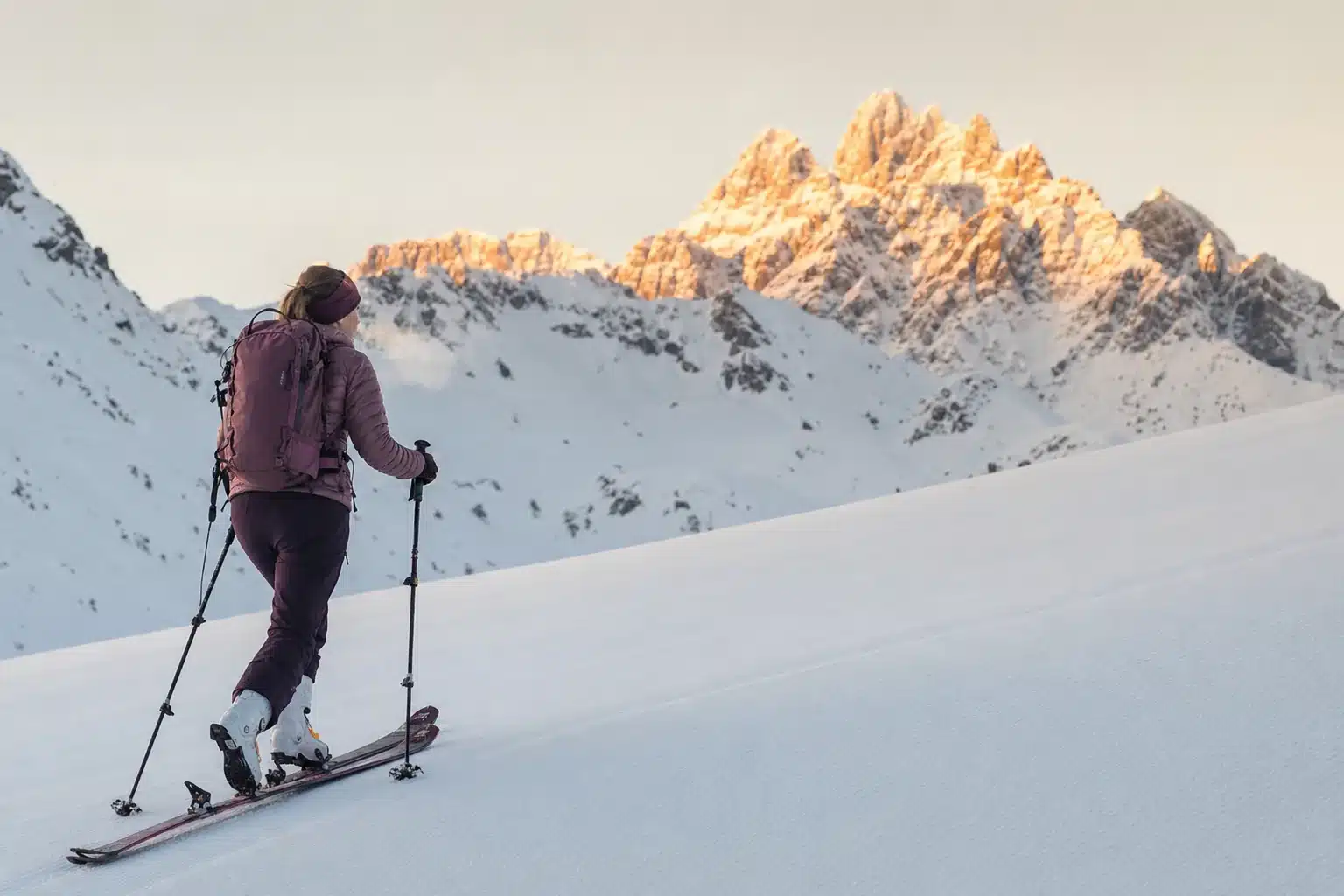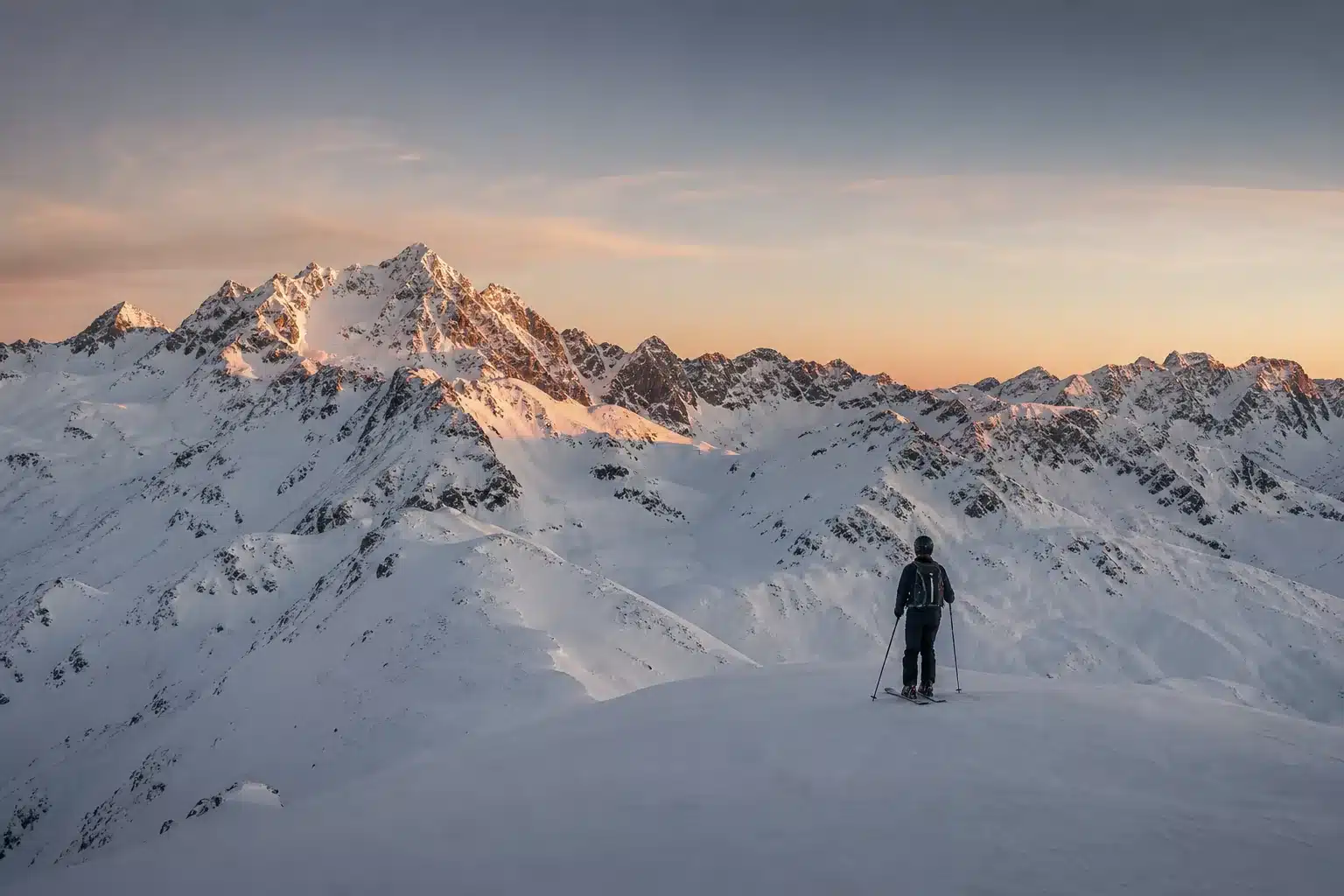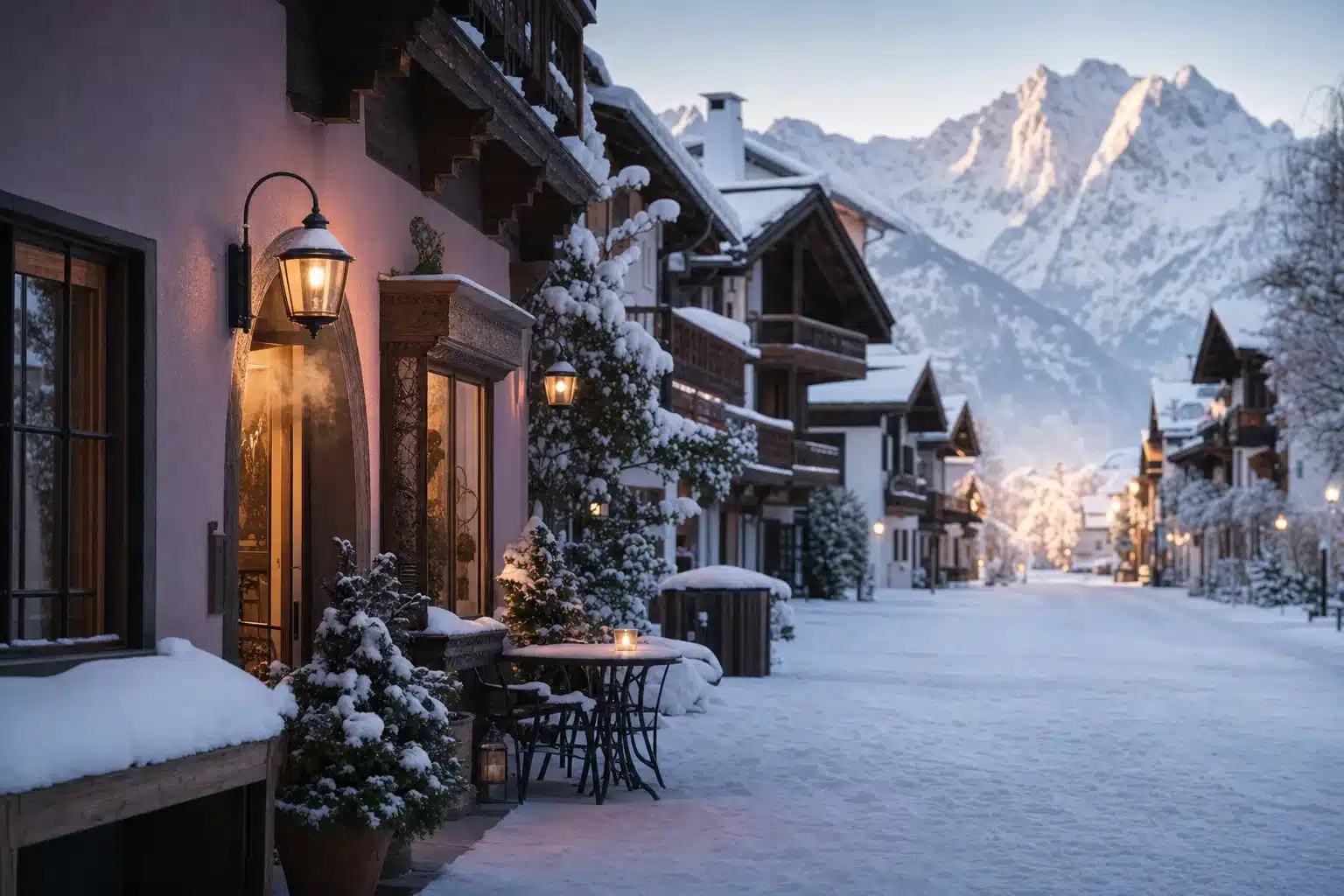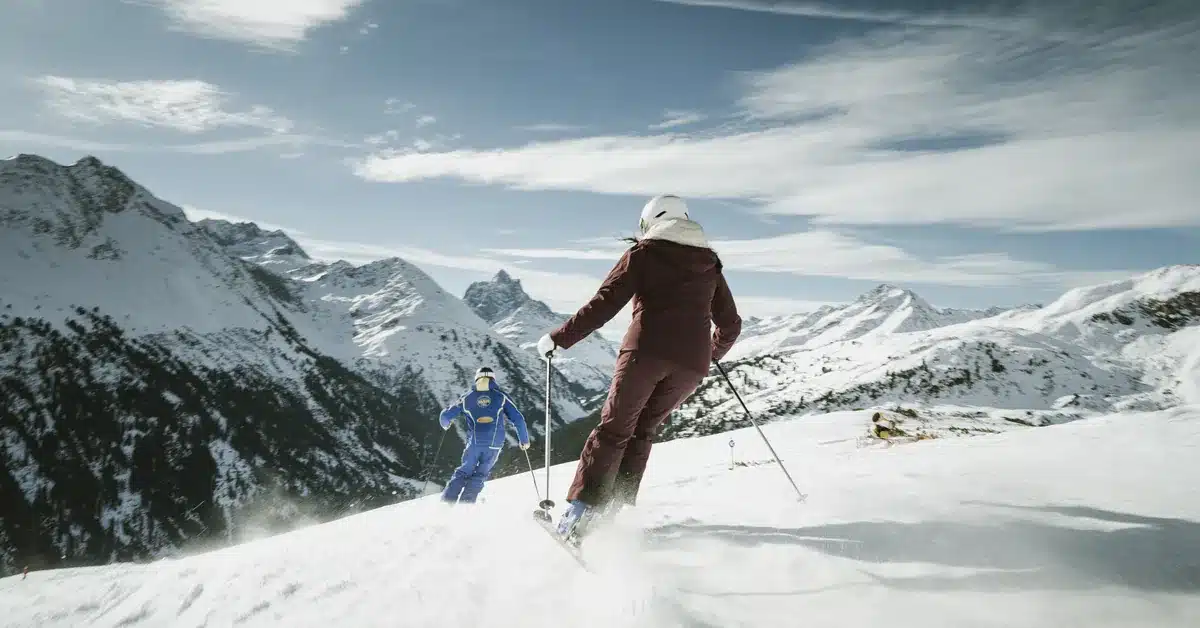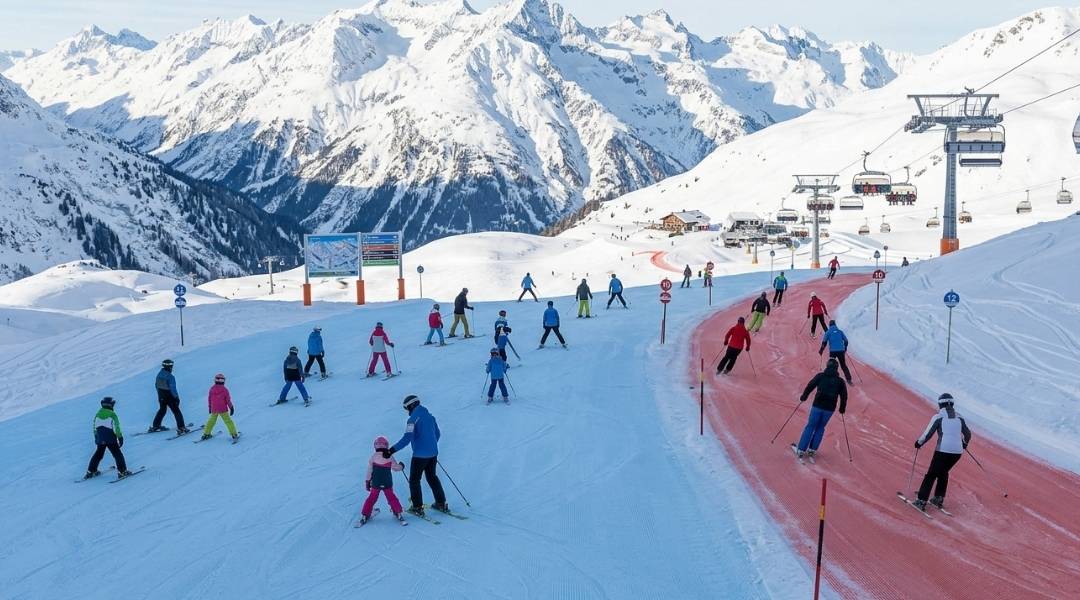
The best time of year to ski St. Anton am Arlberg isn’t just about snow; it’s about timing your experience. January delivers consistent powder, March offers the most balanced conditions, and April surprises with quiet slopes and better value.
In this guide, we take a closer look at the best time of year to ski St. Anton am Arlberg, breaking down each month, snow patterns, crowd shifts, and how timing changes the overall experience. It’s not just about when to come, but how to choose the right moment for the kind of stay you actually want.
Best Time of Year to Ski St. Anton am Arlberg
Here’s the thing: people often expect a simple answer. One perfect month. One ideal week. But St. Anton doesn’t really work like that. The best time of year to ski St. Anton am Arlberg depends on what you’re actually looking for. Deep snow? Fewer people? Longer days? Lower prices? You rarely get all four at once.
Most seasoned visitors figure this out after their first trip. The second trip tends to be more intentional. Timing becomes part of the planning, not just the booking.
If you’re coming for snow alone, January is the safest window. If you want a more balanced experience, March usually settles into a rhythm that feels easier. And if flexibility matters, April quietly offers more than people expect.
St. Anton Ski Season Dates & Snow Reliability
One of the reasons St. Anton stands out is consistency. The resort sits high enough to avoid the unpredictability that affects lower Alpine areas. The lifts generally open in early December and run through late April. Snow doesn’t arrive evenly every year, but the overall pattern holds.
Data shows the Arlberg region averages around 9 metres of snowfall annually, which places it among the more snow-reliable destinations in Europe. Higher terrain plays a big role here. Even when temperatures rise, upper slopes remain stable. We break down the numbers behind this in our guide to how altitude drives Arlberg snow reliability, covering the elevation bands that keep the season running from December to April.
| Element | Details |
| Season Length | Early Dec – Late April |
| Snowfall | ~7m annually |
| Strongest Months | Jan – Feb |
| Altitude Range | Up to 2,800m |
So when discussing the best time of year to ski St. Anton am Arlberg, snow alone isn’t the limiting factor. It’s everything around it: crowds, light, pace.
Month-by-Month Breakdown of Skiing Conditions
Every month feels slightly different here. That’s part of the appeal, but it also means timing matters more than you might expect.
December: Energy Builds, But It’s Not Fully Settled
Early December has that fresh-season feel. Snow starts to build, the village wakes up, and things begin to move again. Lower runs can still be inconsistent in the first weeks. Higher areas perform better. By the time Christmas arrives, everything feels busier, noticeably so. If you don’t mind crowds and higher rates, it works. If you do, it’s worth looking elsewhere.
January: Quiet Confidence on the Slopes
January tends to deliver what people imagine skiing should feel like. Cold air keeps the snow in good shape. Storm cycles bring regular refreshes. And after the holiday rush fades, there’s more space to actually enjoy it.
Many returning guests quietly consider this the best time of year to ski St. Anton am Arlberg, even if they don’t say it out loud.
February: Strong Conditions, Less Breathing Room
February doesn’t really disappoint in terms of snow. That part stays solid. What changes is everything around it. School holidays across Europe bring more visitors, and you feel it, on lifts, in restaurants, across the village.
Prices rise, availability tightens, and spontaneity becomes harder. Still, if timing options are limited, it remains a reliable choice.
March: The Month That Gets Overlooked
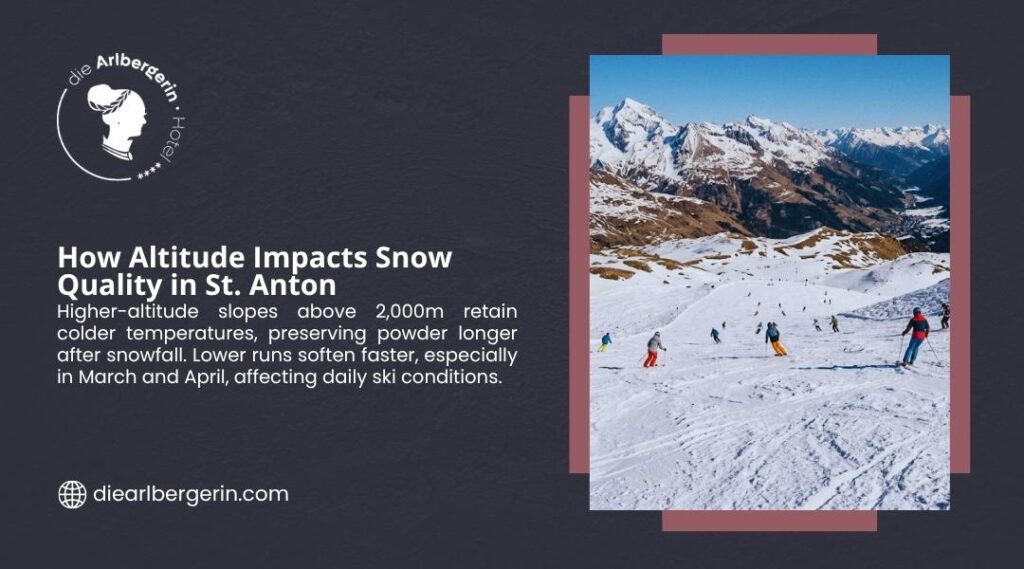
March shifts the experience in a subtle way. Days stretch longer. Light improves. Temperatures ease just enough to make skiing more comfortable without losing snow quality.
It’s not as busy as February, and not as unpredictable as early December. That balance is why many experienced skiers return during this period.
April: Slower Pace, Unexpected Value
April doesn’t get enough credit. Snow softens during the day, especially lower down, but higher slopes still hold up well. What changes most is the atmosphere. Things slow down.
Fewer queues. More flexibility. A different kind of rhythm. Periods like Easter Week bring a relaxed energy that feels very different from peak season.
| Period | Snow Conditions | Crowd Feel | Price Range |
| Early Season (Dec) | Building | High (holidays) | Higher |
| Mid-Season (Jan–Feb) | Strong | Medium to High | Peak |
| Late Season (Mar–Apr) | Stable to Soft | Lower | Moderate to Lower |
The best time of year to ski St. Anton am Arlberg sits somewhere within these shifts. It depends on how you weigh snow quality against space and cost.
Choosing Your Timing Based on Experience
Not everyone arrives with the same plan. Some come for skiing first and everything else second. Others care just as much about atmosphere, food, or time off the slopes. Those focused on snow conditions often aim for January.
Visitors who prefer a livelier atmosphere usually lean toward February, especially when evenings play a bigger role, making a nightlife guide for first-time visitors particularly relevant.
March and April suit travellers who enjoy a slower pace. There’s more flexibility, shorter queues, and more opportunities to explore things to do without skiing alongside time on the slopes.
Group travel tends to follow a different pattern. Coordination often matters more than peak snow, which is why quieter weeks are a common choice. Planning becomes easier, especially when arranging a stay at a group hotel in St. Anton.

Subtle Details That Make a Difference
It’s not always about the month. Sometimes it’s about the timing within it. Mid-week skiing often feels noticeably calmer. Weekends bring more movement, especially in February.
Snowfall tends to arrive in patterns. A storm followed by clear days can change the entire feel of a trip. Arriving just after fresh snow often makes more of a difference than the month itself.
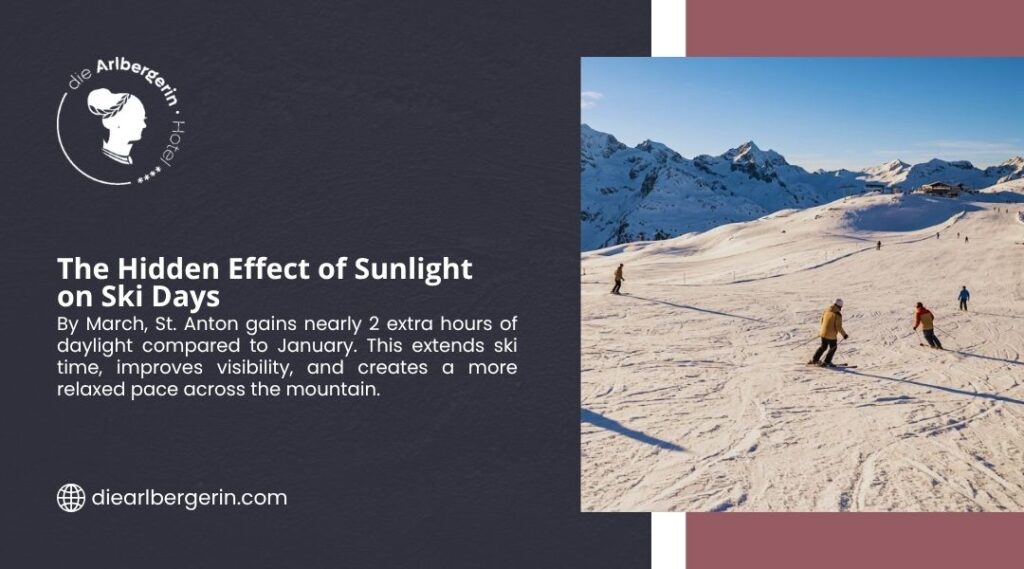
Light also plays a role. By March, longer afternoons extend your time on the slopes in a way that isn’t always obvious when planning.
Planning Your Stay Around the Right Timing
Travel logistics can influence your decision more than you might expect. St. Anton’s rail connections simplify arrival, especially during winter. Many guests travel through Zurich, and getting from Zurich to St. Anton am Arlberg follows a well-connected route with straightforward options.
Accommodation choice also shifts with timing. Peak weeks often require early booking, while quieter periods provide more flexibility. Availability of rooms in St. Anton and current seasonal offers tends to vary, so timing can influence both selection and overall experience.
FAQs
What is the best time of year to ski St. Anton am Arlberg?
January offers the most consistent snow, while March provides the best balance of conditions, daylight, and manageable crowds.
Is April a good time to ski in St. Anton?
Yes, especially at higher elevations. Snow remains skiable, crowds drop, and prices become more flexible.
When does the ski season start in St. Anton?
The season typically begins in early December and continues until late April, depending on conditions.
Which month has the least crowds?
April and early January (after holidays) tend to be the quietest periods.
Timing Shapes the Experience More Than You Expect
The best time of year to ski St. Anton am Arlberg isn’t fixed. It moves depending on what you value. Some weeks feel intense and busy. Others feel open and easy. Same slopes, different experience. That’s why planning helps. Even small timing adjustments can shift the entire trip.
If you already have dates in mind, it’s worth checking availability or sending a quick hotel enquiry in St. Anton to secure the right fit. Because here, timing doesn’t just influence your trip, it shapes how it feels from start to finish.