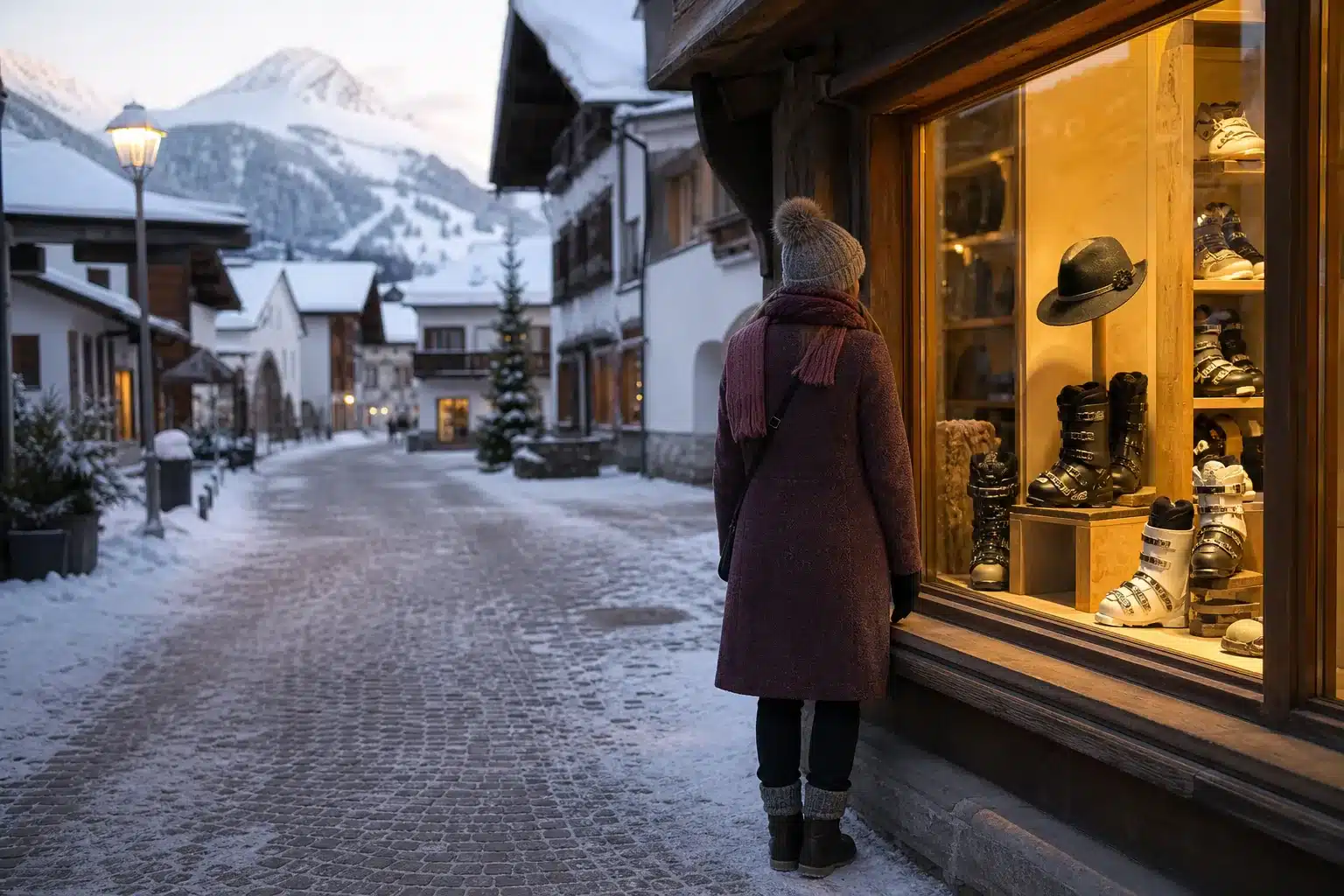
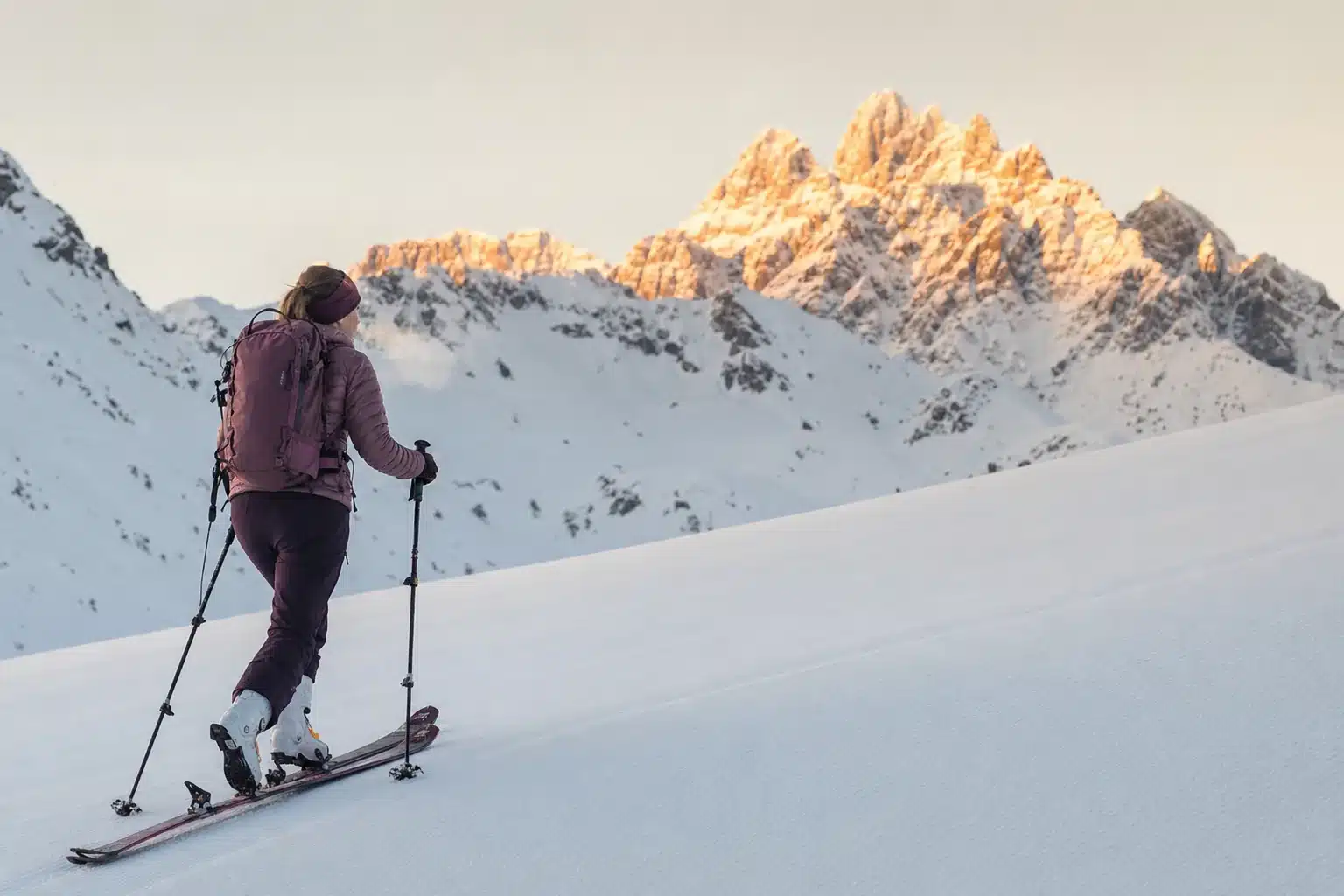
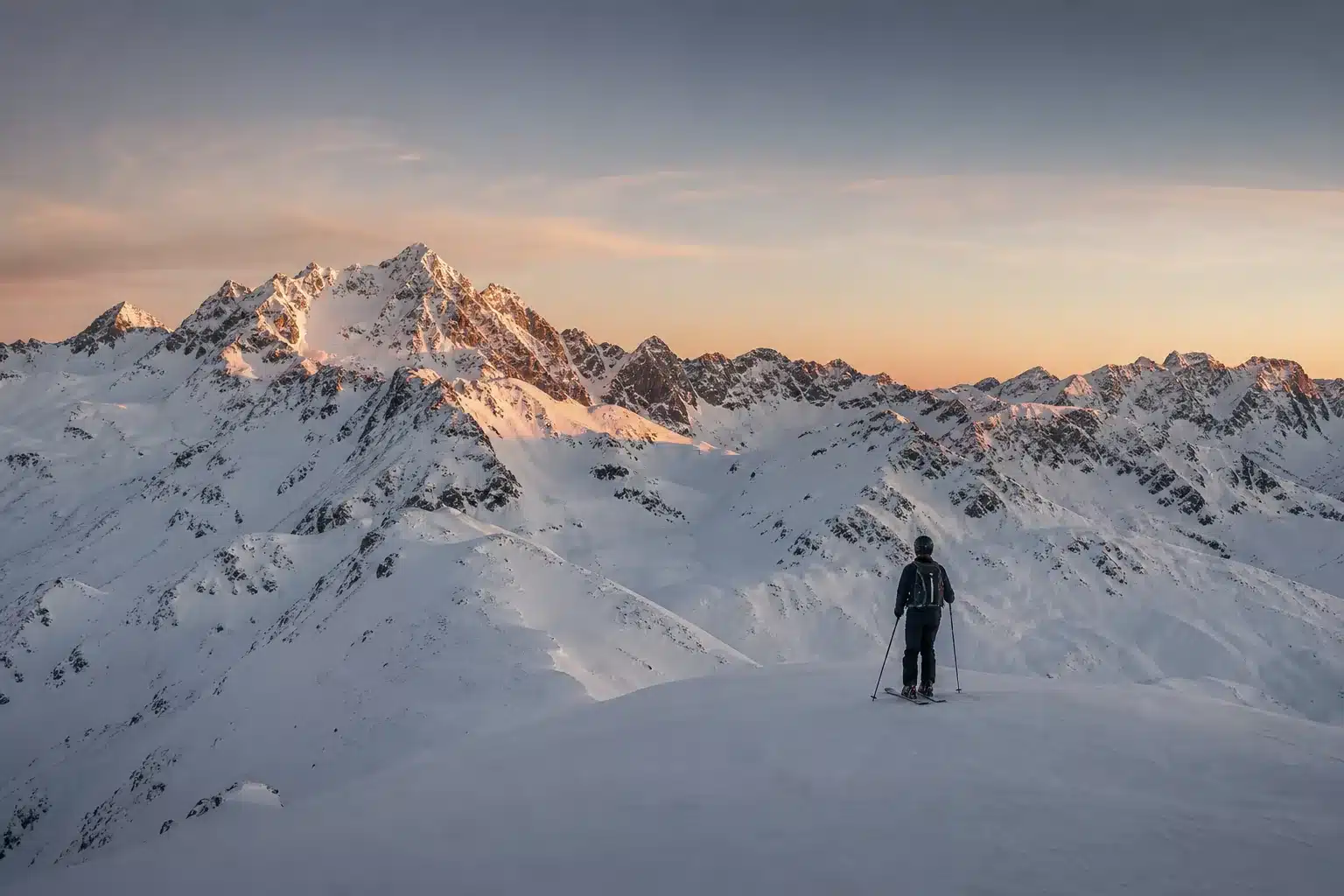
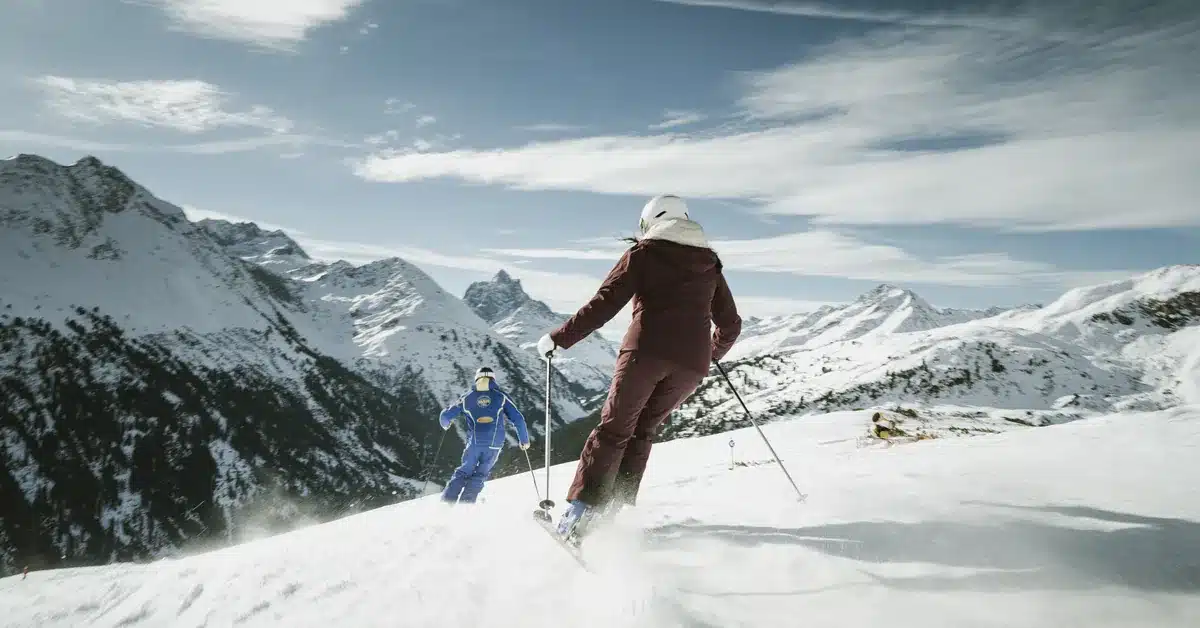
There’s a special quiet on the Arlberg just after dawn. The lifts are still sleeping, the pistes are freshly groomed and empty, and it’s just you, your skins gripping the snow, and the slow rhythm of climbing a slope you’re about to ski back down. That descent feels different when you’ve earned it with your own legs.
If you already ski on-piste and you’ve been curious about ski touring, skinning uphill under your own power instead of riding a lift, this guide is for you. It’s a beginner’s route-and-safety walkthrough, written from right here in St. Anton am Arlberg. Honest heads-up before we start: the Arlberg is world-class freeride country, so beginners need the right routes and the right precautions. This guide gives you both.
What makes the Arlberg special for ski touring

The Arlberg is the fifth-largest linked ski area in the world, and for a ski tourer that scale is a gift. Its valleys, St. Anton, St. Christoph, Stuben, Zürs, Lech, and Warth, are all connected, and you can move between many of these villages on snow. Skiers have long swapped stories of setting out from St. Anton and reaching St. Christoph, Stuben, Zürs, Lech, or Warth, hunting good runs along the way.
Why does that matter when you’re just starting out? Variety and safety nets. The Arlberg’s 305 km of marked pistes and legendary off-piste terrain mean gentle, forgiving slopes sit right next to the powder fields that made this region famous. As a beginner, you get short, mellow ascents with easy escape routes back to a groomed piste or a lift whenever you want them, no committing to a huge, remote descent for your first taste of touring.
Is the Arlberg suitable for beginner ski tourers? An honest answer

Yes, with the right route choice. Let’s address the nervous-beginner worry directly, because it’s a fair one. The Arlberg has a big reputation, and it’s easy to assume the whole place is only for experts. It isn’t.
The key is understanding the difference between two things:
- Piste touring / marked uphill routes, you skin up a controlled, patrolled ski slope. Avalanche risk is actively managed by the resort, and you’re never far from help. This is where every beginner should start.
- Backcountry ski touring, you leave the controlled area for open terrain. This is where real avalanche knowledge, and ideally a guide, become essential.
Start with marked uphill routes and mellow, low-angle terrain, and the Arlberg is genuinely welcoming for first-timers. The single most important number to keep in your head is slope angle: avalanche risk climbs sharply on slopes steeper than roughly 30 degrees, a threshold long documented by the WSL Institute for Snow and Avalanche Research SLF. Beginner terrain stays comfortably below that, and that’s exactly the point.
The best beginner ski touring routes on the Arlberg

Here’s the part you came for. Rather than invent metre-by-metre figures, we’ll describe the character of each area and why it works for beginners, because conditions change daily and no honest local hands out a route sheet without saying “check today first.” Treat these as starting points, then confirm with a local guide or the day’s bulletin.
Marked uphill routes on the pisted slopes (St. Anton & Nasserein)
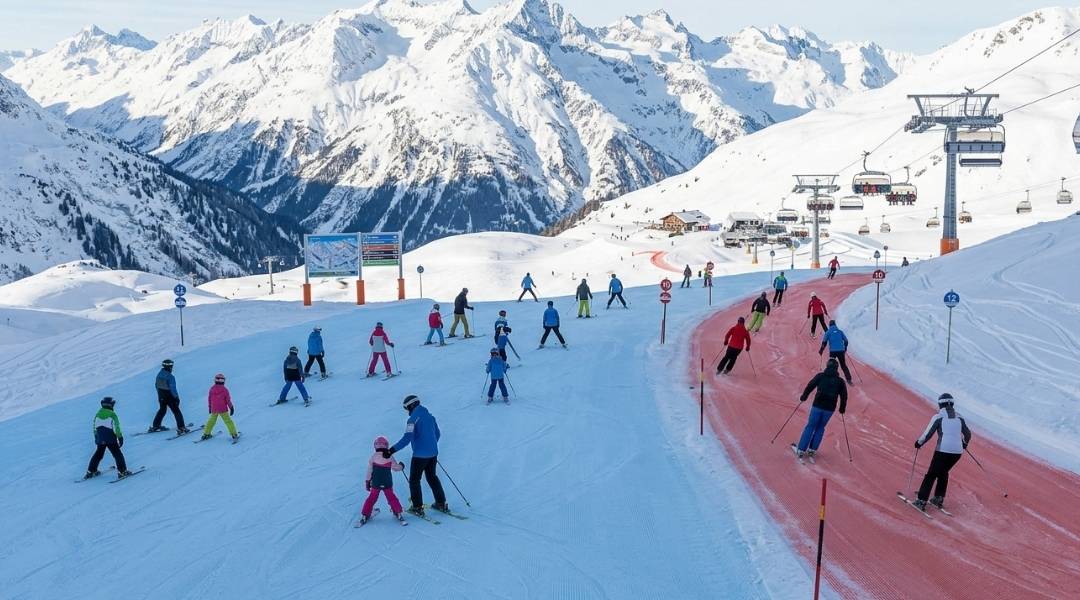
The safest possible first ski tour. Many resorts, the Arlberg included, designate marked uphill routes on the pisted slopes, and skinning up a controlled, patrolled piste during quiet hours is the perfect classroom. You learn to fit your skins, find your kick-turn rhythm, and pace your breathing, all with a groomed run under you and a way back down that you already know. Do this two or three times before you go anywhere else.
Rendl area gentle tours
The Rendl side of St. Anton offers open, lower-angle terrain that’s ideal for your first real experiences off the piste edge. It’s lift-served, so you always have a safety net, and the wide feel of the area makes it far less intimidating than dropping into something tight and steep.
Around St. Christoph and Stuben
Head toward St. Christoph or Stuben and the mood gets quieter. Gentle valley approaches give you that classic Arlberg touring feeling, space, silence, and mountains all around, without demanding advanced skills. Lovely places to build confidence on a slightly longer, still-forgiving ascent.
Zürs and Lech side connections
The terrain linking toward Zürs and Lech is beautiful and moderate, and crucially it connects back to lifts. You’re not committed to one long, unbroken descent, you can turn a tour into a half-day outing and ride home if your legs have had enough.
Toward Warth-Schröcken
The Warth-Schröcken direction is famously snow-sure, with wide, forgiving slopes. When you want fresh, soft snow underfoot but still-manageable angles, this corner of the Arlberg is hard to beat for a beginner.
For every one of these, the rule is the same: check the daily avalanche bulletin and current conditions first. A route that’s gentle and stable one morning can behave very differently after fresh snow or wind.
Free or guided? The marked uphill and piste-touring routes are essentially free to skin, you’re not buying a lift pass to climb, though you should always respect the resort’s uphill-access rules, signed closures, and grooming times. A mountain guide is optional on controlled terrain but genuinely recommended the moment you leave it. For a first backcountry tour, a guide buys you route-finding, snow judgement, and peace of mind you can’t fake.
Beginner ski touring gear checklist

You don’t need to own any of this to start, more on that in a moment, but here’s what a beginner tour actually requires:
- Touring skis or a splitboard, plus climbing skins, the skins grip on the way up and peel off for the descent.
- Touring bindings and boots, the heel releases for climbing and locks for skiing down.
- Adjustable poles.
- The safety trio: a transceiver (avalanche beacon), a probe, and a shovel, and knowing how to use them. This is non-negotiable the moment you leave controlled pistes. Carrying the kit is only half of it; the Austrian Alpine Club (Österreichischer Alpenverein) stresses that practising with your beacon until a search is second nature matters as much as owning one.
- Smart layering, you’ll sweat climbing and chill on the descent, so pack layers you can add and shed.
- Helmet, sunglasses or goggles, sunscreen, water, and snacks.
Good news for first-timers: rental shops in St. Anton will kit you out with the full touring setup, safety gear included. There’s zero reason to spend a fortune on equipment before you know you love the sport. Rent, try, and buy later if it clicks.
Staying safe: avalanche awareness for first-timers
Read this section twice. Ski touring is wonderful precisely because it takes you out of the managed resort bubble, which means you become responsible for your own safety.
Build these habits from day one:
- Read the daily avalanche bulletin before every single tour. For the Arlberg, the official forecast comes from the Euregio bulletin published by the European Avalanche Warning Services, which rates conditions on a five-level danger scale. Learn to read it before you learn anything else.
- Understand the danger scale. The European Avalanche Danger Scale runs from 1 (low) to 5 (very high), and it’s the shared language every Alpine forecaster uses. Beginners should treat higher ratings as a firm reason to stay on controlled pistes.
- Never tour alone, and always tell someone your route and expected return time.
- Consider an avalanche-safety or intro ski-touring course before you head off marked routes. A day of proper instruction is the best investment you’ll make.
- Keep the beginner’s mental checklist running: slope angle, aspect (which way the slope faces), recent snowfall, and wind. These four factors shape the risk more than anything else.
None of this should scare you off. It’s simply the price of admission, and once these habits are second nature, they fade into the background and let you enjoy the mountains freely.
Ski touring is wonderful precisely because it takes you out of the managed resort bubble, which means you become responsible for your own safety.
How fit do you need to be? Managing expectations
Let’s be honest: touring is aerobic work. You’re climbing under your own power, and that’s the whole appeal, but it does ask something of your lungs and legs. The reassuring part is that you set the pace.
Start with short ascents of a few hundred vertical metres and build from there. Focus on a slow, steady rhythm rather than racing uphill; efficient skinning is about consistency, not power. You’ll pick up the basics quickly, gliding the ski forward rather than lifting it, and making a clean kick-turn on a switchback.
If you’re reasonably active and comfortable skiing blue and red pistes, a short beginner tour is well within reach. Nobody is timing you, and stopping to catch your breath while looking at the view is a feature, not a failure.
When to go: the Arlberg ski touring season
Winter, roughly December through April, is prime touring season on the Arlberg, and it’s no accident this is when St. Anton am Arlberg hums with energy from skiers around the world. The high season delivers reliable, snow-sure conditions.
Worth knowing: early-season and deep-winter snow can be lighter and less predictable, while spring touring, later in the season, often brings firmer, more consolidated snow that many beginners actually find easier and more stable to travel on. Sunny spring mornings with settled snow are some of the finest days to learn. Whenever you come, the daily bulletin still rules your route choice.
Beyond touring: other ways to feel the Arlberg
If climbing for your turns lights a fire for untracked snow, the natural next step is off-piste. Our guide to freeriding on the Arlberg’s off-piste terrain walks through the powder side of the region and how to approach it responsibly.
And if you’re already dreaming about coming back once the snow melts, the mountains reinvent themselves in summer. Take a look at the best mountain bike and e-bike tours around St. Anton am Arlberg, same peaks, completely different thrill.
Where to base yourself for ski touring in St. Anton am Arlberg
A good tour starts and ends with a good base, and St. Anton is the ideal one. It sits central to all those valley connections, it’s packed with gear-rental shops and mountain guides, and there’s proper après waiting when you’re back down. If you’re comparing hotels in Sankt Anton am Arlberg for a touring trip, the thing to look for is flexibility, because touring days rarely run on a fixed timetable.
That’s exactly where we come in. At Hotel Die Arlbergerin, hospitality runs in our veins. We’re a family business in its third generation, proudly led by strong women, our name itself, Die Arlbergerin, carries the feminine spirit of the region. With nearly 100 years of experience, we blend traditional Tyrolean warmth with genuinely modern comfort. We’re not a chain. We’re personal, authentic, and full of heart.
For ski tourers, that freedom matters more than you’d think. There are no strict meal times here, flexible dining across our bistro, bar, and two restaurants, plus extended breakfast hours. Fuel up early before a dawn skin, or roll in late after a long day on the snow and still eat well. Your holiday runs on your clock, not ours.
We also bring together a few distinct ways to stay in one place:
- A cozy hotel, warm, comfortable, and made for slowing down after a day in the mountains.
- A relaxed B&B, a natural home for active skiers and tourers who want to feel part of a friendly community. If you’ve been searching for a frühstückspension in St. Anton am Arlberg, this is your fit.
- A private chalet, an Alpine home for groups, large families, and companies of up to 30 guests, built around togetherness and freedom.
And because we offer rooms for every budget and taste, from cozy, wallet-friendly options to elegant design suites, you’ll find a stay that matches your trip, whether you want traditional Tyrolean charm or clean modern design.
When you’re ready, book directly with us for the best rate and a genuinely personal welcome. At Die Arlbergerin, you don’t just stay in the Alps, you feel at home in Tyrol.