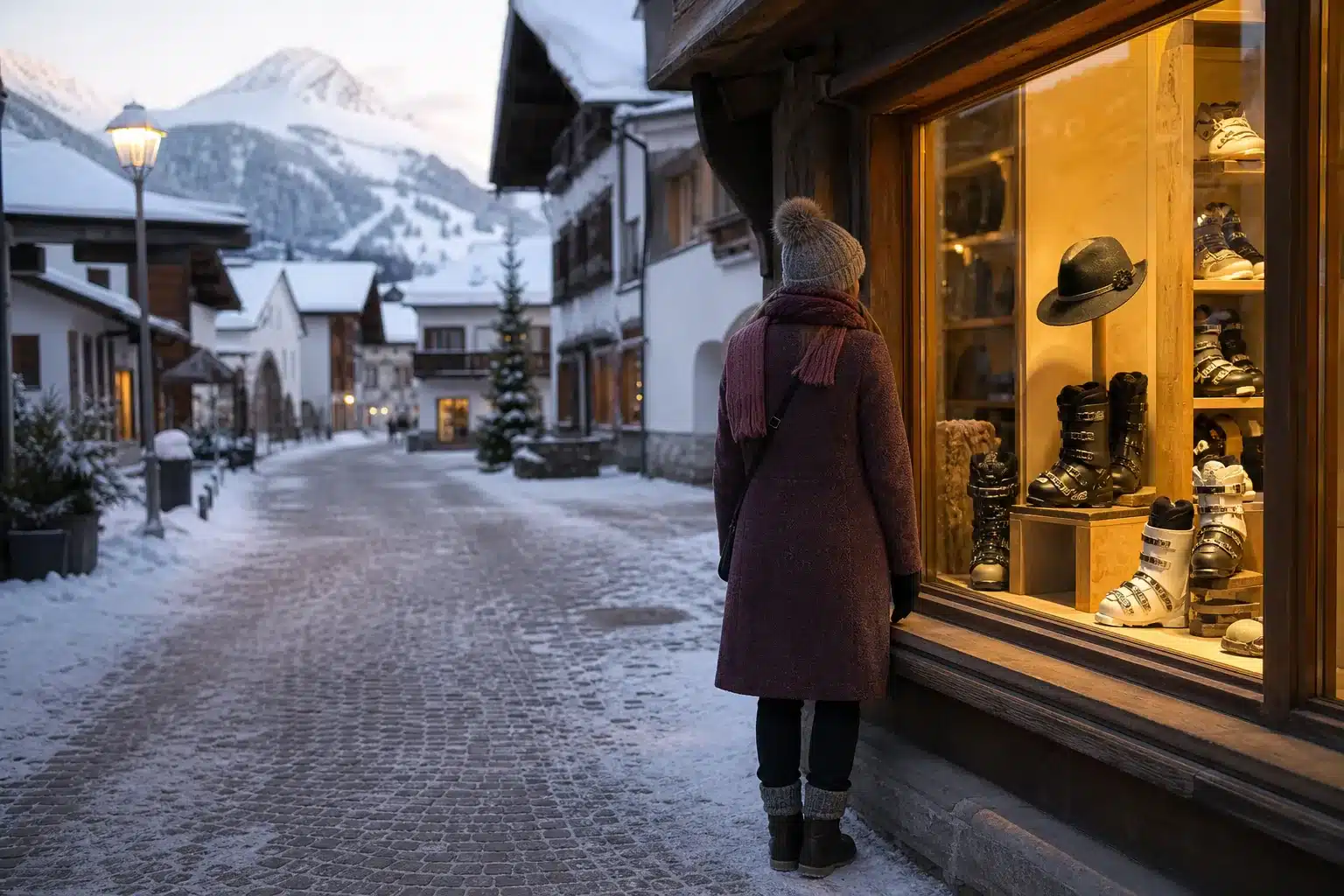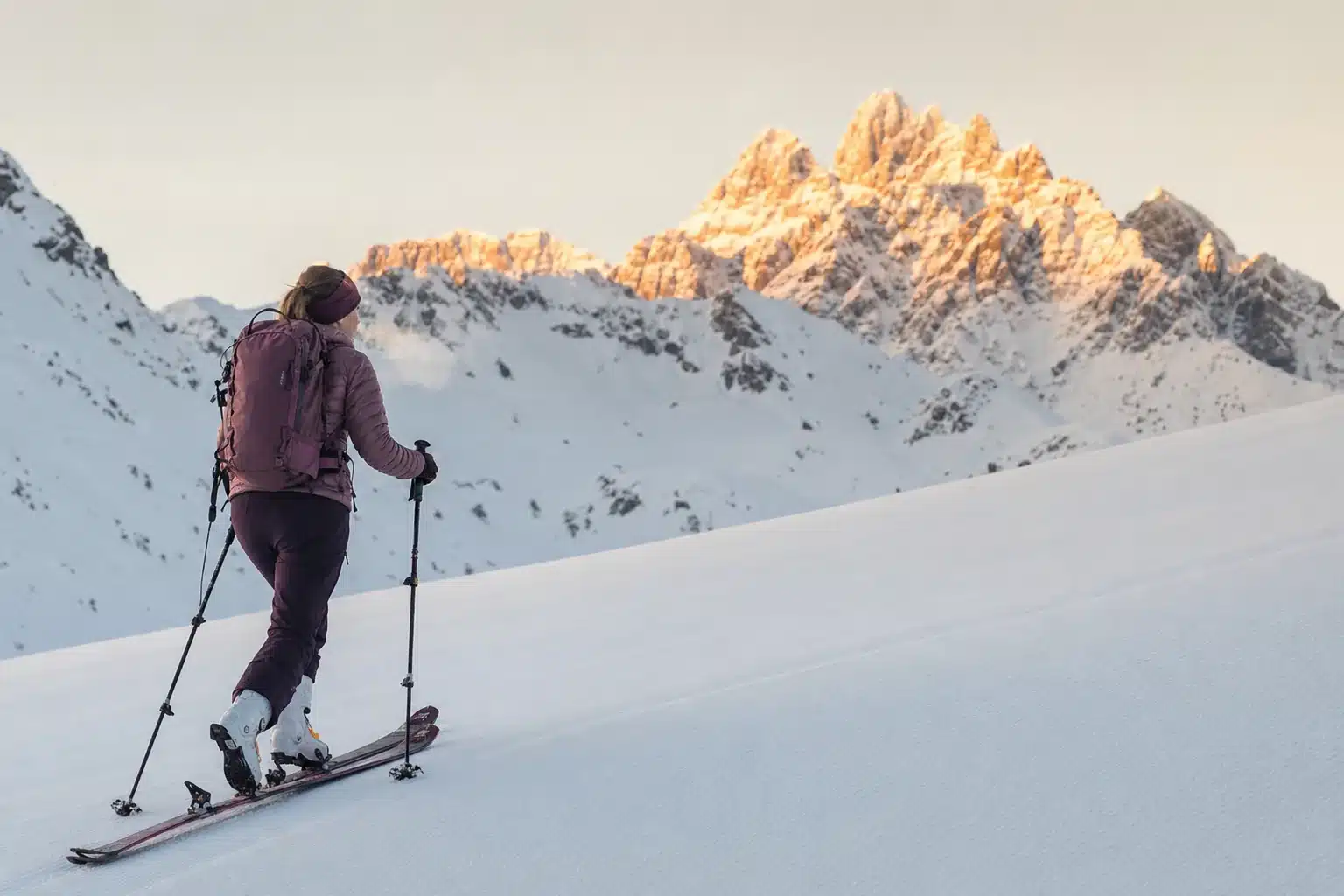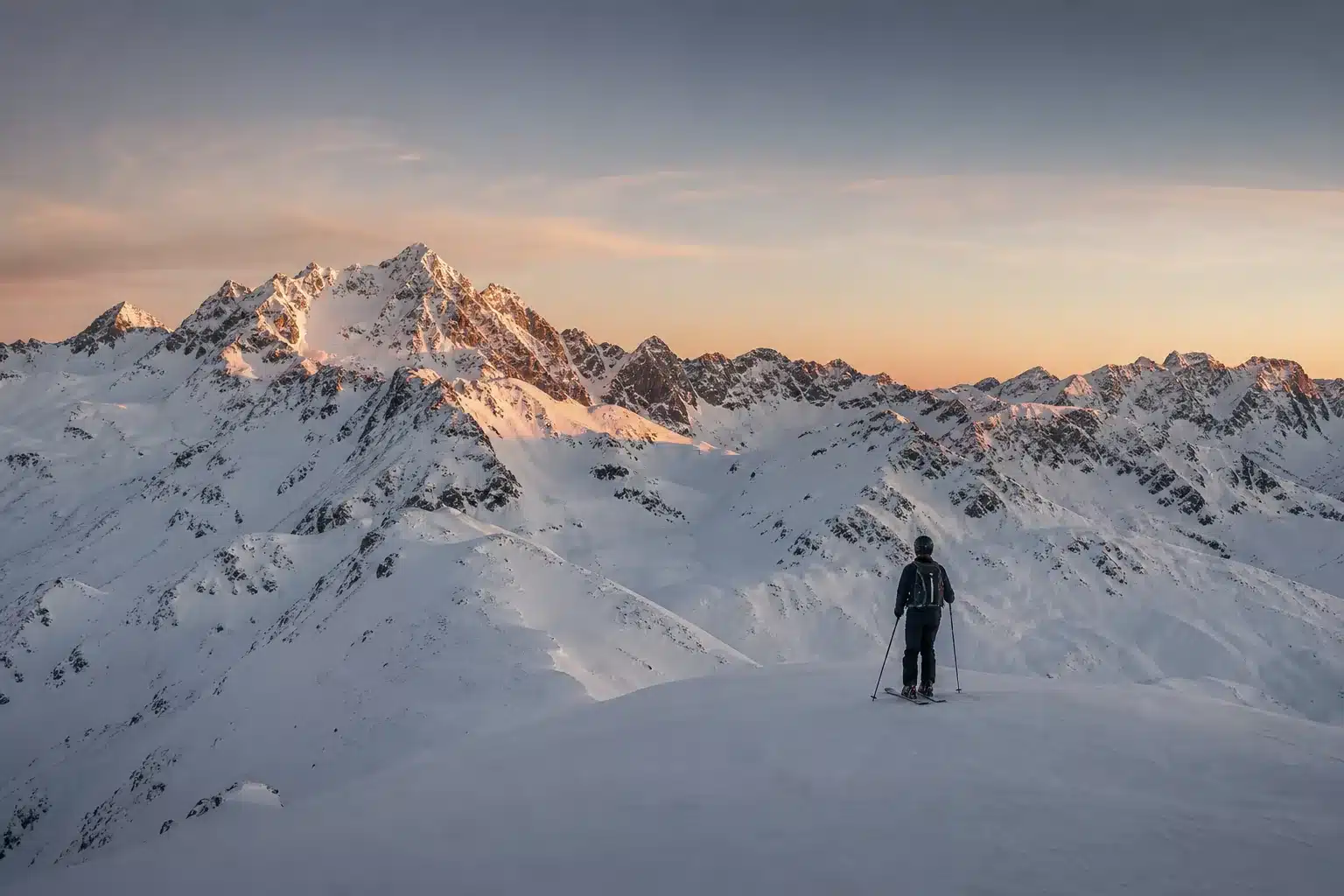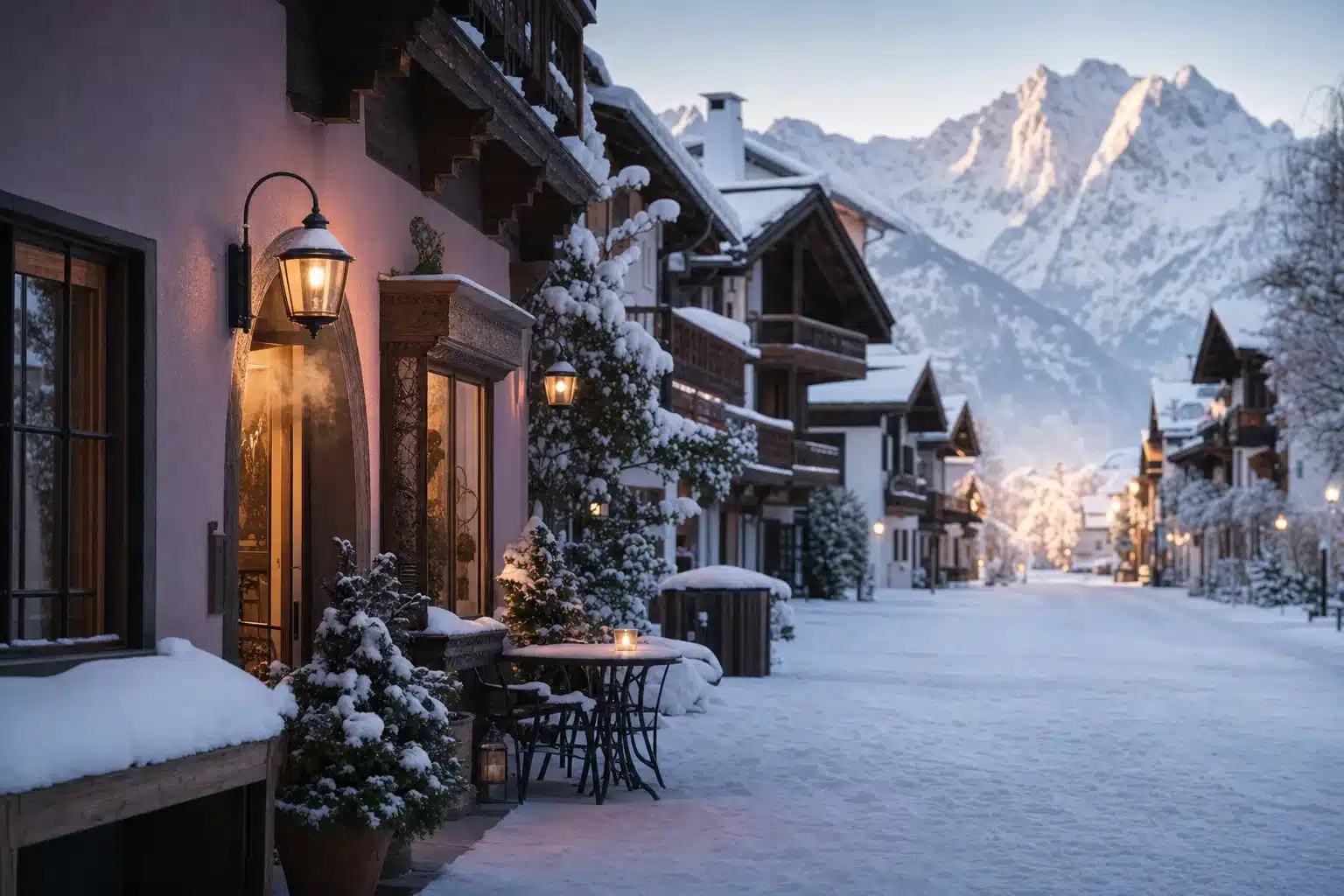
Snow squeaking underfoot on a car-free main street, timber balconies stacked with fresh powder, coffee drifting from a café doorway, that’s St. Anton am Arlberg on a January morning. Known as the cradle of alpine skiing and part of one of the largest linked ski areas in the world, this Tyrolean village is far more than its slopes. This guide walks you through the whole place, season by season, and helps you find a stay that feels less like a hotel and more like home.
Where is St. Anton am Arlberg, and how to get there

St. Anton sits in western Austria, in the Tyrol region, high on the Arlberg pass that separates Tyrol from Vorarlberg. As Encyclopædia Britannica describes it, Tyrol is a mountainous federal state defined by the Eastern Alps, and St. Anton, near the head of the Stanzer valley at roughly 1,300 metres, is one of its best-known mountain villages.
Getting here is refreshingly easy. The railway station sits right in the village centre, on the main line between Innsbruck and the west, so you can arrive by train and be at your accommodation in minutes, no transfers, no shuttles. Driving, the Arlberg road brings you in from either side of the pass. Flying, the nearest airports are Innsbruck and Zurich, both within a comfortable drive, with Munich a little further out for wider flight options. Austria’s national tourism board, Austria.info, is a good neutral starting point for planning the wider region.
A feel for the village, the pedestrian heart of St. Anton
The soul of St. Anton is its car-reduced main street. Wander it and you’ll pass chalet facades, ski shops, boutiques, bakeries and the kind of cosy cafés that pull you in when your fingers go numb. Tradition and international buzz sit side by side: a centuries-old Tyrolean village that welcomes guests from all over the world every winter.
It helps to know the layout. The lively centre holds the station, the main lifts and most of the after-dark energy. Around it lie quieter hamlets, Nasserein just to the east with its own gondola and a calmer family feel, St. Jakob a short way down the valley, and neighbouring Pettneu am Arlberg for peace with easy access to the action. Knowing this makes choosing where to base yourself much simpler.
What to explore in winter

Winter is why most people come. St. Anton anchors the Ski Arlberg area, a vast web of interconnected slopes shared with resorts across the pass.
On the slopes
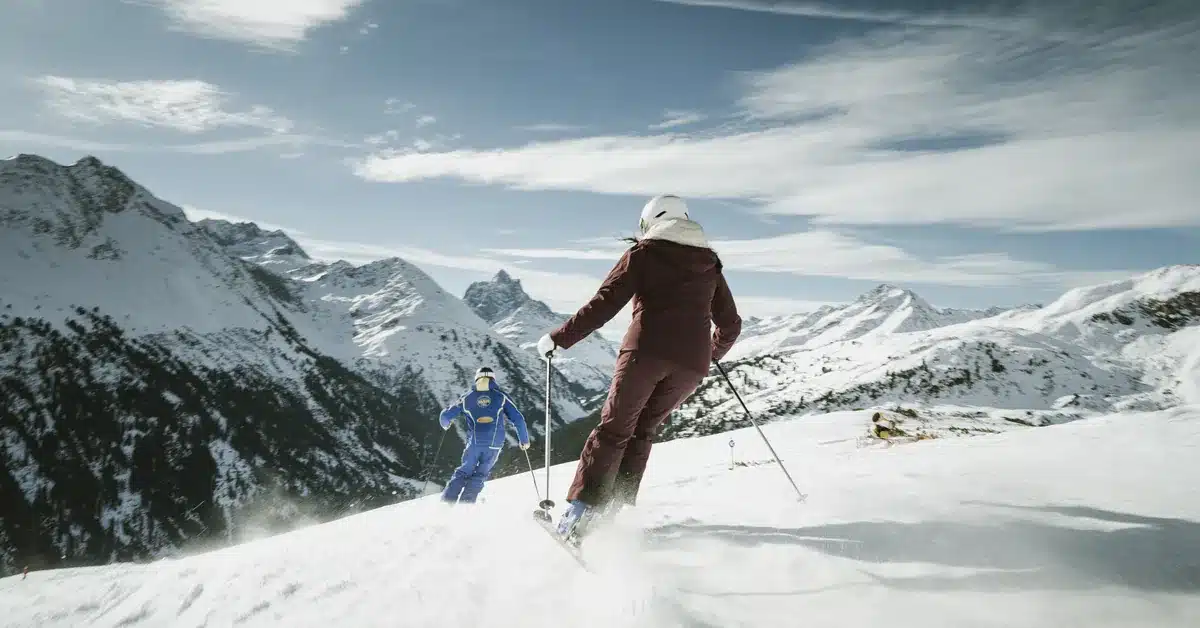
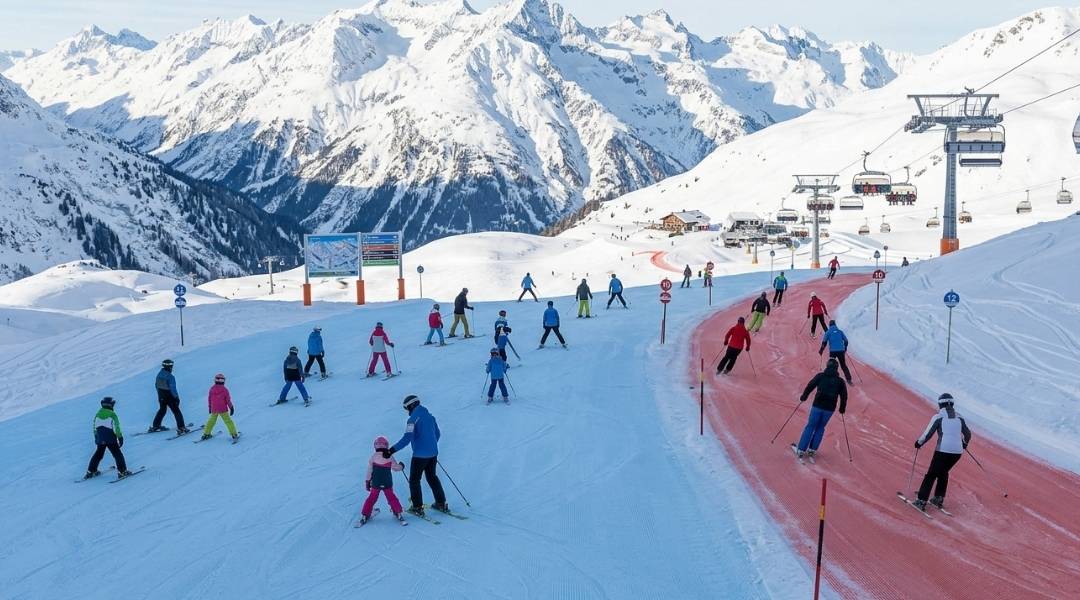
The linked Arlberg ski area has terrain for every level, from long, forgiving blue cruisers to steep, lung-burning descents that built the resort’s reputation among serious skiers. St. Anton is especially famous for its freeriding heritage: wide-open off-piste faces and deep powder that draw confident skiers from around the globe. Beginners aren’t left out, there’s gentle, well-groomed terrain and excellent ski schools to build your confidence.
Off the slopes in winter
You don’t need to ski all day to love it here. Cleared winter walking trails wind through snow-blanketed forest, toboggan runs deliver pure grinning fun, and the après-ski bars fill the moment the lifts close. Afternoons are made for wellness, a sauna, a soak, a slow thaw. For a fuller sense of the season, we’ve written about St. Anton as a winter paradise for active vacationers and those seeking relaxation.
Those famous off-piste faces demand respect. The Austrian Alpine Club provides guidance on avalanche awareness and safe mountain travel, and going with a certified local guide is always the smart call when you leave the marked pistes.
A word on the backcountry: those famous off-piste faces demand respect. The Austrian Alpine Club provides guidance on avalanche awareness and safe mountain travel, and going with a certified local guide is always the smart call when you leave the marked pistes.
What to explore in summer

Here’s the season most ski guides forget. From July through September, St. Anton trades white for green, and the valley becomes a hiker’s playground. Trails climb past alpine meadows and grazing cattle to sun-warmed huts serving hearty Tyrolean plates. Mountain bikers carve the valley routes; families amble the easy paths along the river.
Whatever your pace, there’s a route for you. Try a summer hiking vacation in the Tyrolean mountains, with the walk up to the idyllic Rendlsee mountain lake near 2,000 metres as a rewarding highlight. If you’d rather keep it gentle, these easy walking trails in St. Anton am Arlberg are our quiet local tip. There’s a real bonus to all this movement, too: the World Health Organization notes that regular physical activity cuts the risk of heart disease and lifts mental wellbeing, and few settings make exercise feel this effortless.
Beyond skiing, things to do without hitting the slopes
Even in high winter, St. Anton rewards non-skiers. The village honours its place in skiing history with a small museum dedicated to alpine skiing, a lovely rainy-day stop. Add snowshoeing through silent forest, long lunches at panoramic mountain restaurants, wellness afternoons, and easy day trips to the villages strung along the Arlberg. You can fill a rich, happy week here without ever clicking into a binding.
Where to eat and unwind in the village
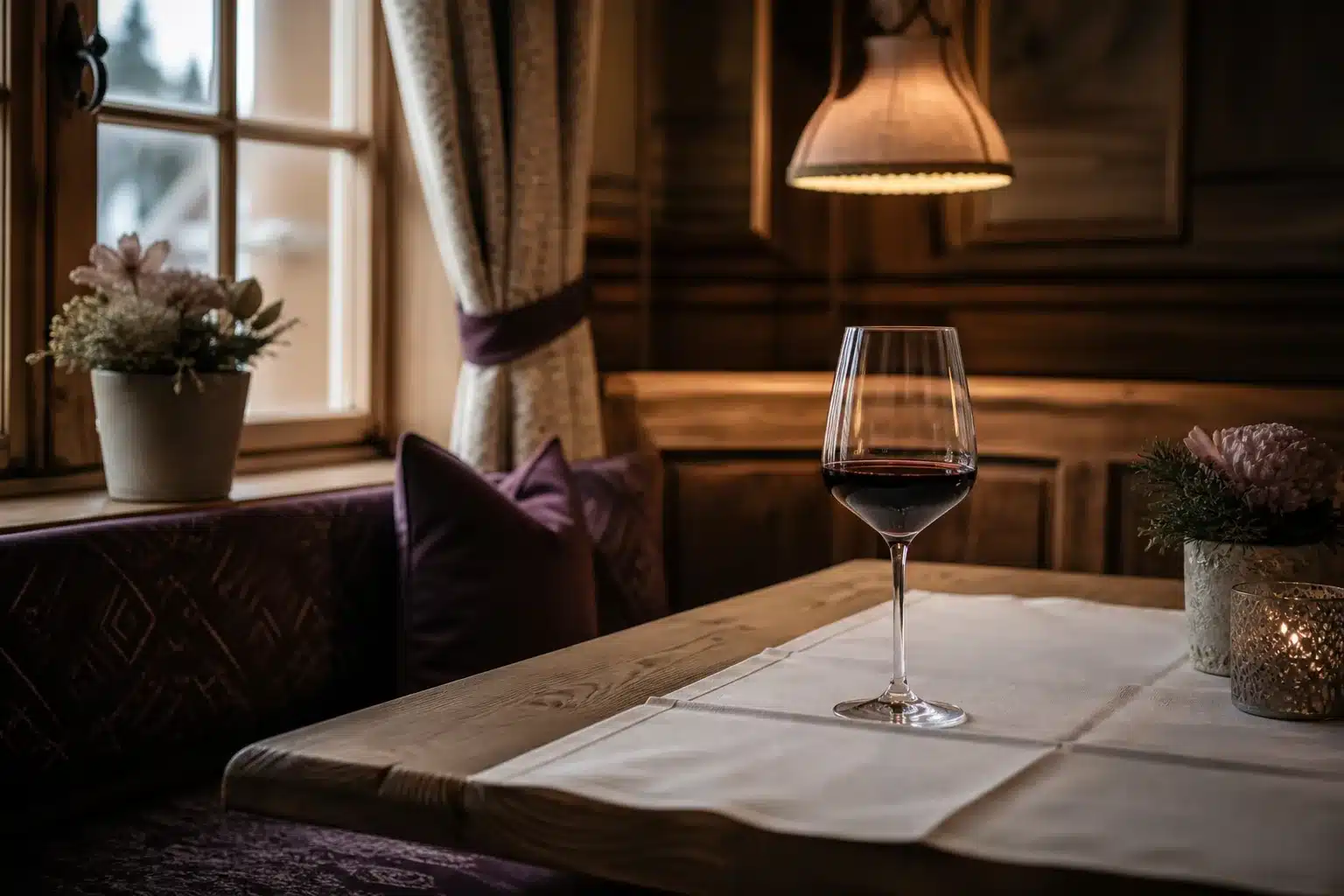
St. Anton eats well. Up on the mountain, rustic huts serve kässpätzle and glühwein with a view; down in the village, restaurants run from traditional Tyrolean to relaxed and modern, with cafés for every slow morning. What matters most on holiday is freedom, eating what you want, when you want, without a dinner gong dictating your evening. That’s a philosophy close to our heart.
Where to stay, finding your home base in St. Anton
The village offers the full spectrum: full-service hotels, family-run pensions, a classic Frühstückspension for a breakfast-focused stay, and private chalets for groups who want their own space. Choosing well is really about matching the place to how you like to travel.
That’s exactly how we think at Hotel Die Arlbergerin. We’re a true family business, third generation, proudly led by strong women, with nearly a century of Tyrolean hospitality behind us. Rather than sort guests by age or budget, we built a small family of houses around what actually draws people to the mountains. Our boutique hotel in St. Anton am Arlberg suits those who want to slow down, eat beautifully and reconnect. B&B Der Steinbock, our authentic guesthouse, is a natural home for skiers, hikers and social souls, the kind of relaxed pension in St. Anton am Arlberg where you feel part of a warm community. And The Exclusive Chalet gives groups, big families and companies a private Alpine home to themselves, for up to 30 guests.
What ties them together is how it feels: genuine Tyrolean warmth, flexible dining with extended breakfast hours and two restaurants, and rooms for every taste, from cosy budget options to elegant design suites. No fixed meal times, no chain-hotel anonymity. Here, time runs differently, and you enjoy your holiday exactly the way you want. Booking with us directly is always the friendliest way to lock in your dates and talk to the family who’ll actually welcome you, no middleman, just a warm hello.
| Season | Months | What to expect |
|---|---|---|
| World-class ski season | December to April | St. Anton fills with snow lovers and the village hums; book early, because this is the mountain at its best. |
| Quiet, green counterpoint | July to September | Warm days, blooming trails and far more room to breathe, ideal if you crave calm. |
| Shoulder months | Spring and late autumn | The region rests; these months are naturally sleepy, so plan around the two seasons the mountain does best. |
When to visit, season by season
Timing shapes the trip. December to April is the world-class ski season, when St. Anton fills with snow lovers and the village hums, book early, because this is the mountain at its best. July to September is the quiet, green counterpoint: warm days, blooming trails and far more room to breathe, ideal if you crave calm. Between them the region rests, the shoulder months of spring and late autumn are naturally sleepy, so plan around the two seasons the mountain does best.