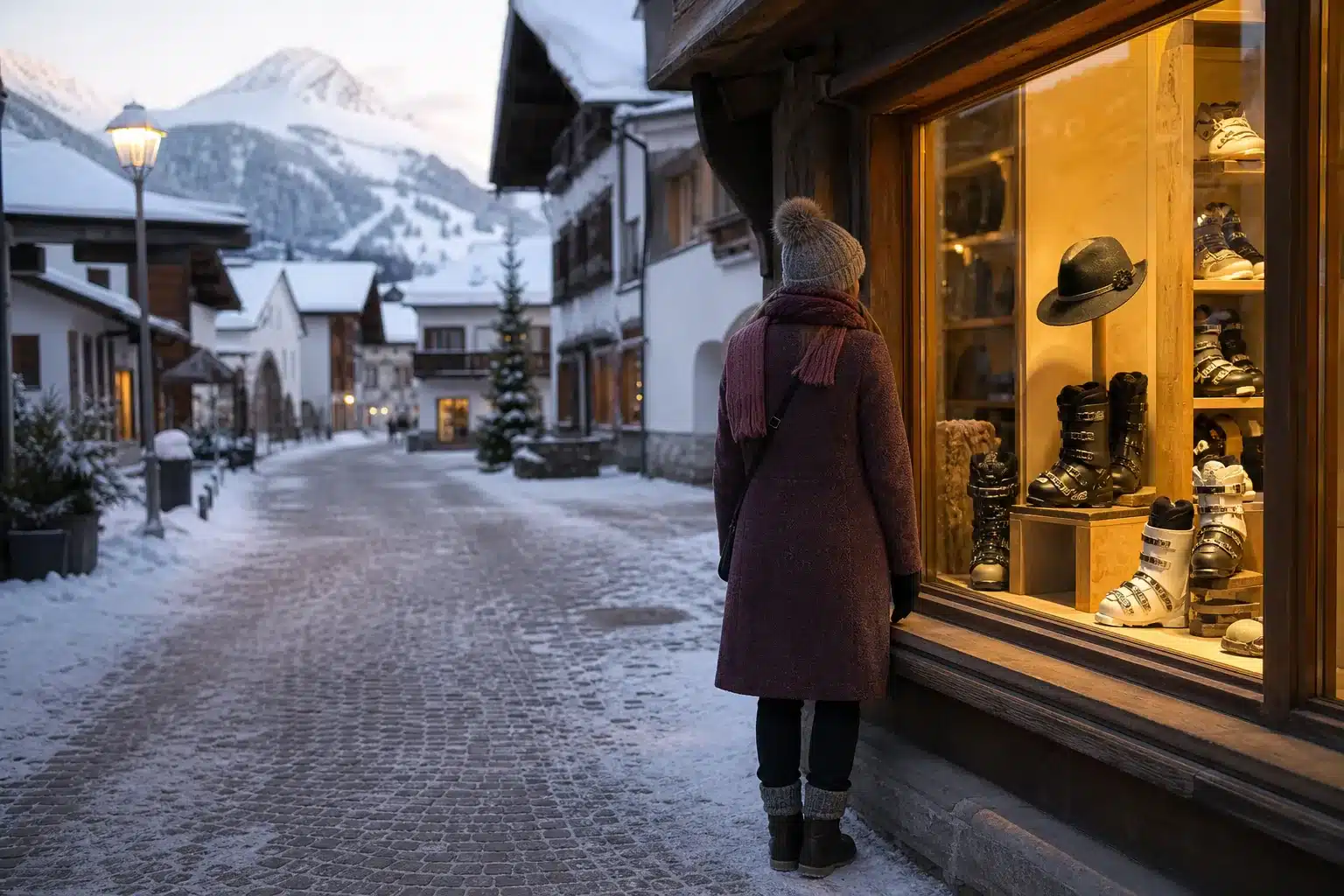
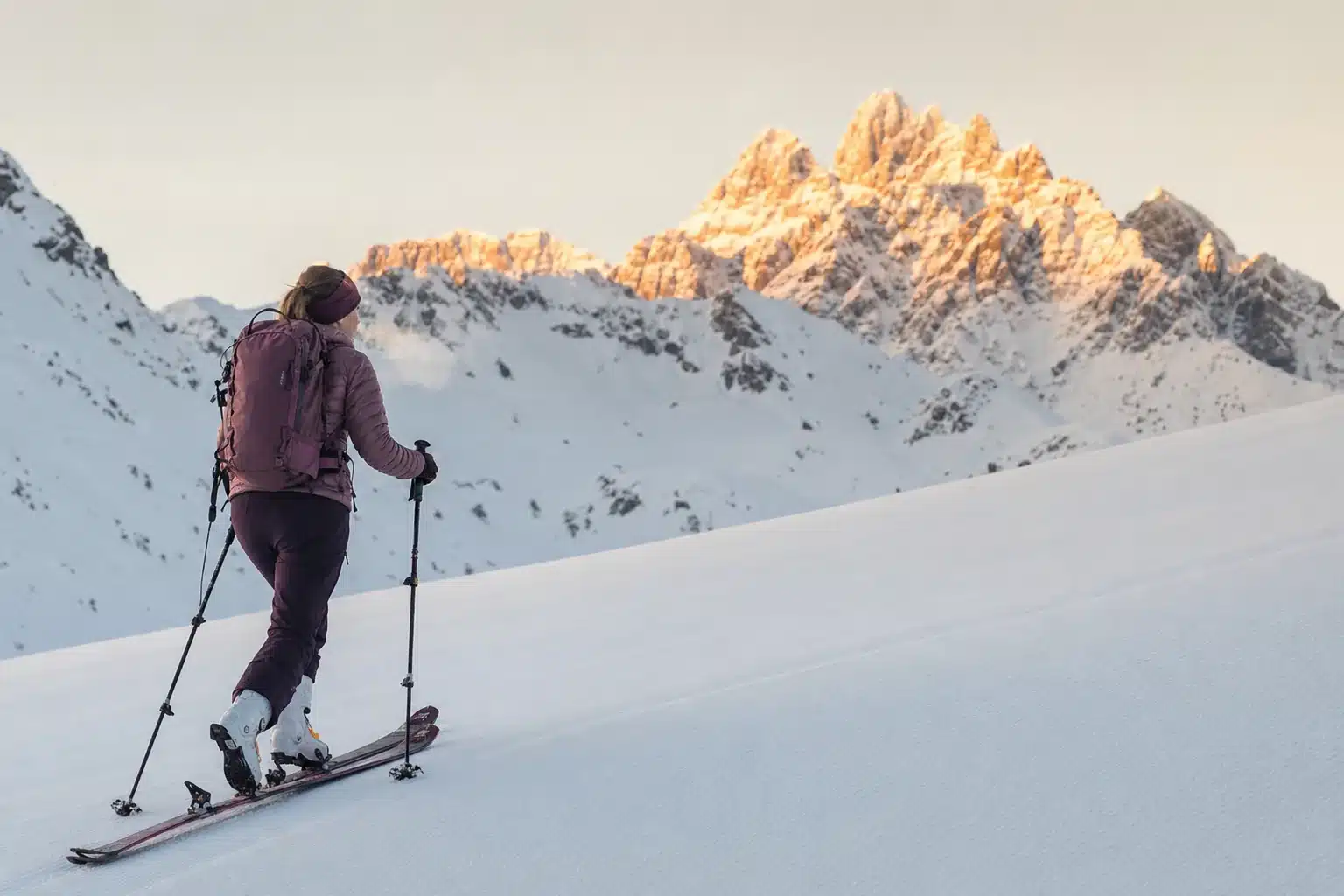
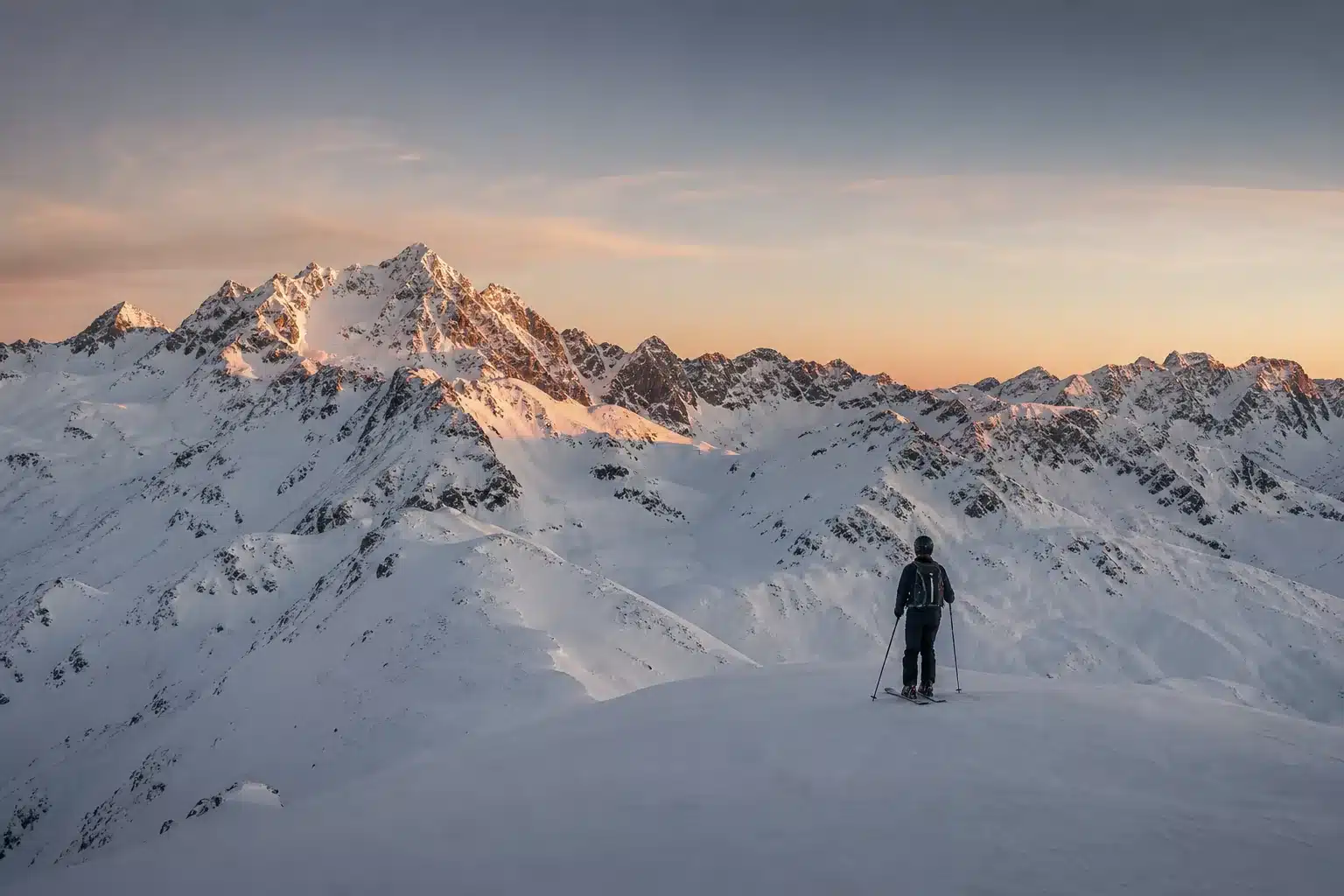
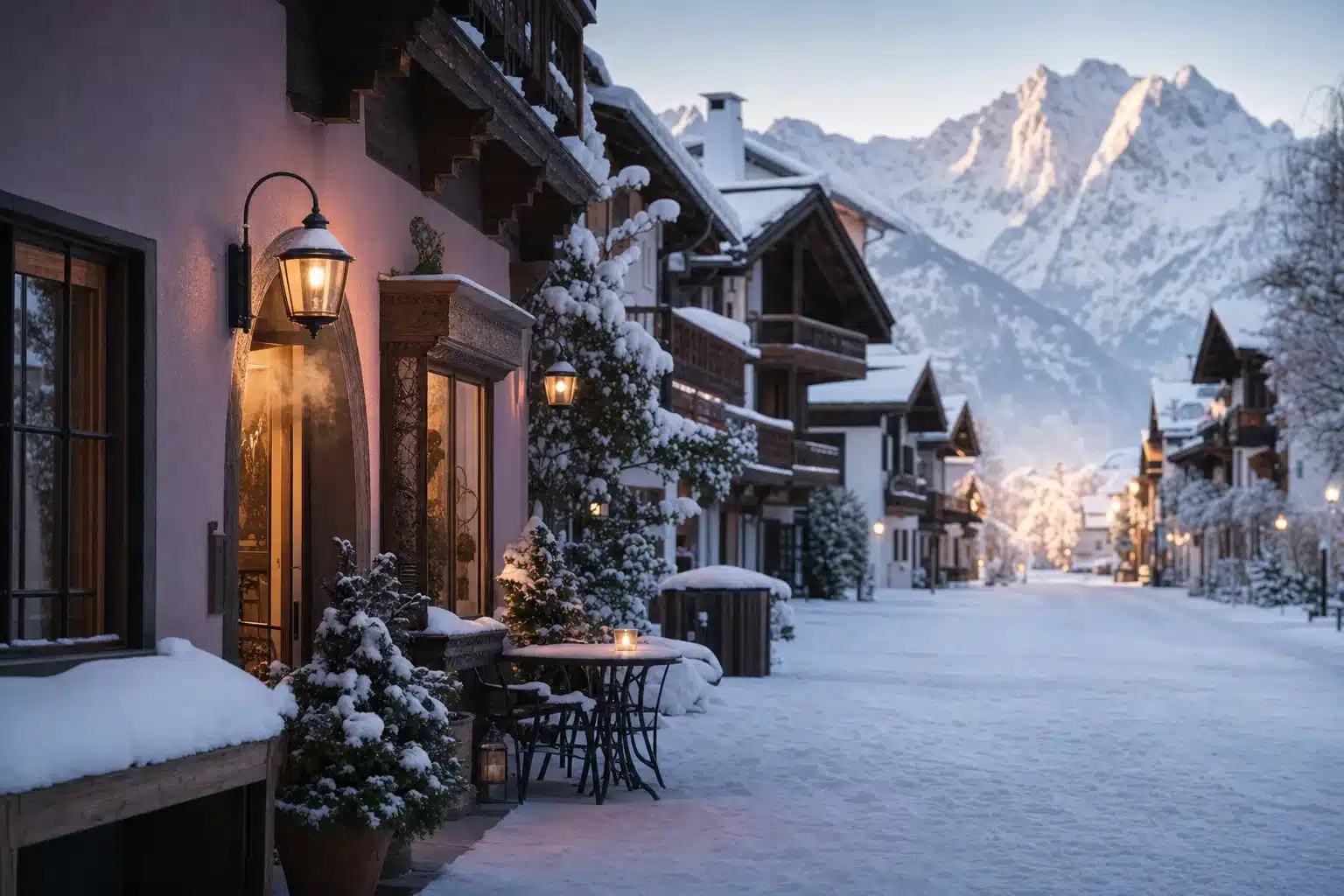
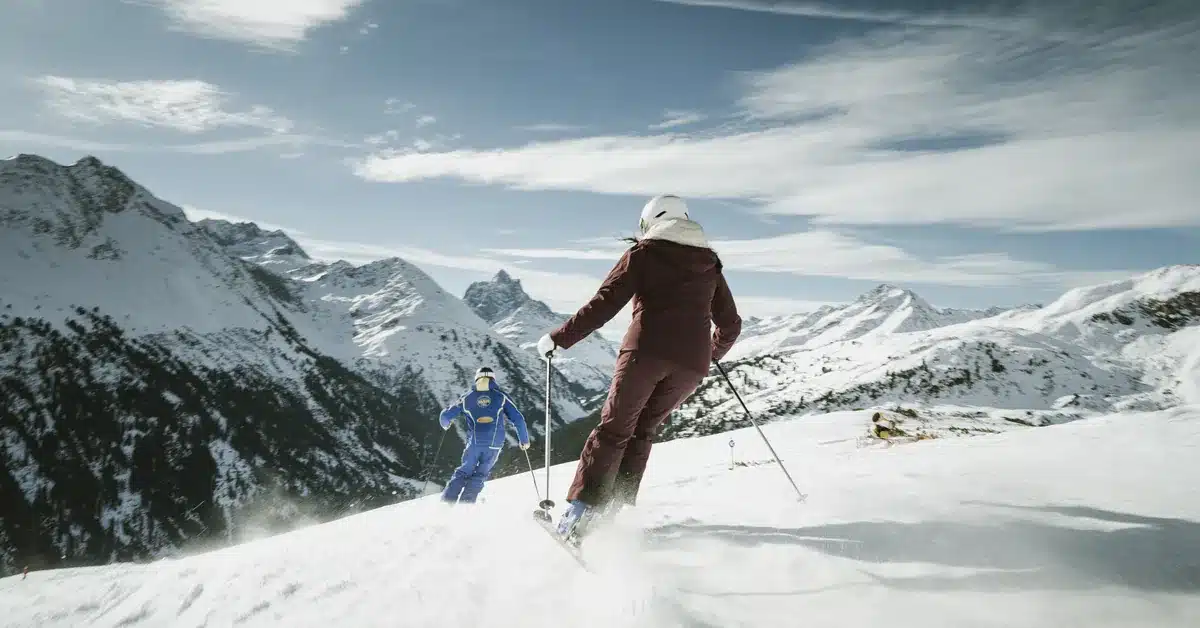
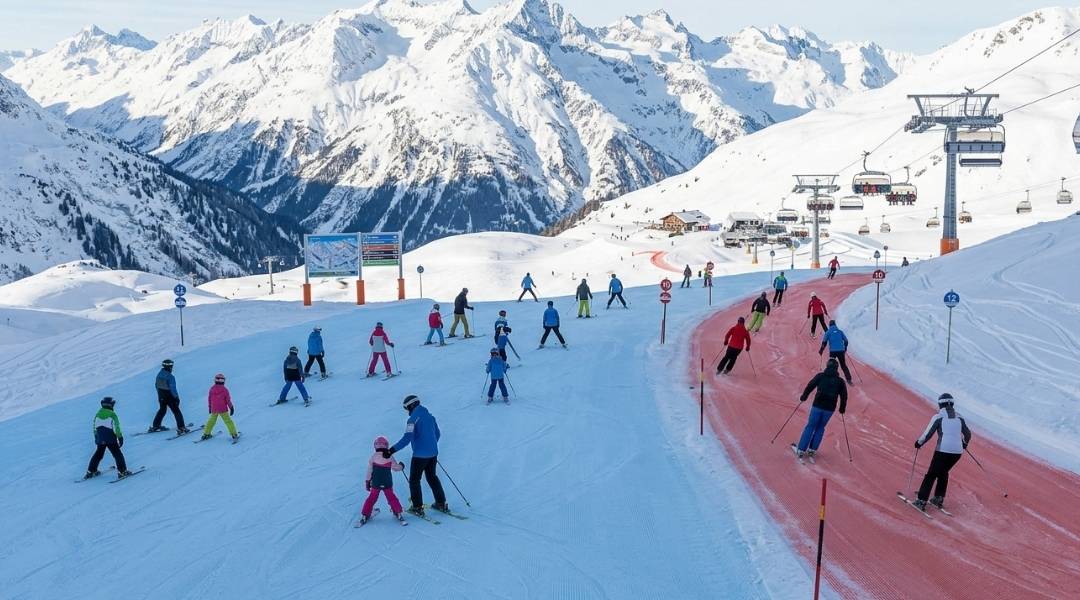
For the best winter shots, head to Valluga at sunrise, Galzig at golden hour, and quiet village streets at blue hour; timing matters more than location. This guide explores the best photo spots in St. Anton am Arlberg in winter with a perspective that goes beyond the usual tourist viewpoints.
It combines local insight, seasonal timing, and practical photography advice shaped around the alpine rhythm of St. Anton, Austria. Whether you’re skiing across the Arlberg ski area or walking through snow-covered village streets, this guide shows where the light falls best, where the snow stays untouched longest, and how to capture it all in a way that feels real, not staged.
If you’re staying 2–3 days, focus on Valluga for sunrise, Galzig for sunset, and one quiet village walk at blue hour; this simple plan often delivers the strongest photo set without overplanning.
Best Photo Spots in St. Anton am Arlberg in Winter
The best photo spots in St. Anton am Arlberg in winter reveal themselves when you understand how light moves across the Arlberg ski area. It’s not just about reaching high viewpoints; it’s about positioning.
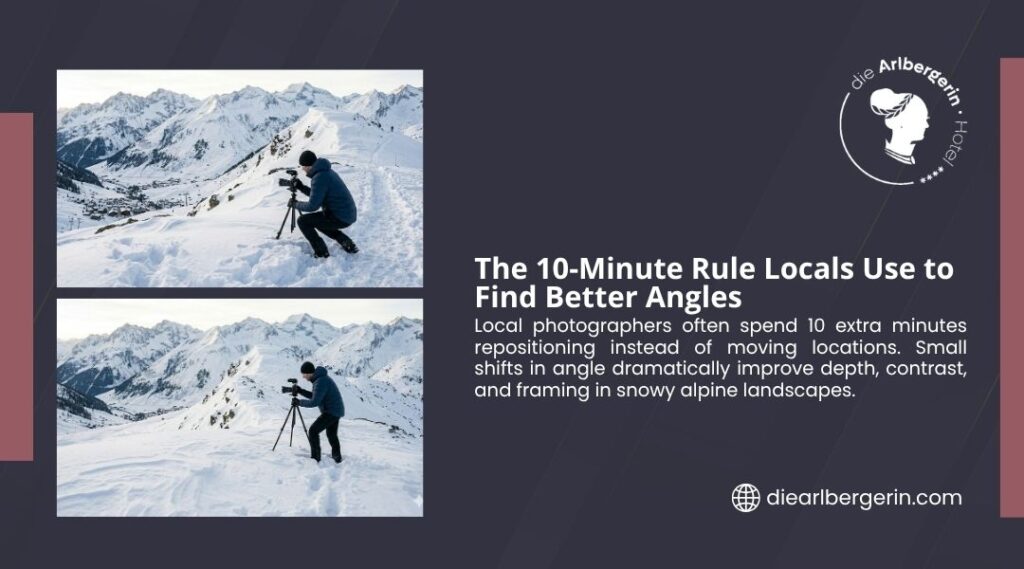
Here’s what actually works in practice: stand slightly below ridge lines rather than directly on them. This creates depth instead of flat horizons. Use ski slopes as diagonal leading lines rather than shooting straight down. Include foreground elements, skiers, trees, or wooden huts, to avoid empty compositions.
For example, on a clear day, facing east from mid-mountain rather than the summit often gives better contrast between shadow and light. That subtle shift separates average shots from strong ones.
If you’re here for a short ski trip, even adjusting your position by 10–15 meters can completely change how light shapes the scene; small movements matter more than new locations.
Why St. Anton am Arlberg Looks Different in Winter
What sets St Anton am Arlberg apart isn’t just snow, it’s how the landscape reacts to it. The terrain becomes layered, reflective, and visually simplified, which makes composition easier but demands precision.
| Factor | Impact on Photography |
| Snow Reflection | Brightens the entire frame, reduces harsh shadows |
| Elevation Changes | Creates natural layering in shots |
| Ski Tracks | Add movement and direction |
| Weather Shifts | Rapid changes create unique light windows |
The region’s altitude and exposure mean that light doesn’t behave as it does in cities or even lower alpine areas. You’ll notice softer transitions between highlights and shadows, especially just after snowfall.
According to the Tourist Office, the Arlberg region receives some of the highest snowfall levels in the Alps, often exceeding 7–9 meters annually. That kind of snow consistency explains why ski slopes look pristine even days after snowfall. And that matters for photography.
The ski areas stretch across vast terrain, giving a clear sense of scale when asking how big the Arlberg ski area is in total kilometres, with extensive runs and interconnected slopes covering one of the largest ski regions in the Alps. When snow conditions align with clear skies, the result is a landscape that feels almost surreal.
Top Scenic Photo Locations Across the Arlberg Ski Area
The best photo spots in St. Anton am Arlberg in winter often sit at higher elevations, where visibility stretches far beyond the valley.
Valluga Summit – Highest Perspective
Valluga is often described as the highest viewpoint (over 2,800 meters), but the real advantage lies in perspective control. To get the strongest shot:
- Don’t shoot directly from the viewing platform. Move slightly off-axis if accessible.
- Use a 24–70mm lens to compress distant peaks without losing scale.
- Shoot between 08:30 and 10:00 AM for balanced exposure before harsh contrast sets in.
Professional alpine photographer Alex Strohl notes that high-altitude light works best when you shoot slightly off-center to avoid flat horizons and give the frame depth.
What works here is framing the horizon slightly above center, letting the snow-covered foreground carry the composition. When clouds sit low, you can capture inversion layers that look almost surreal.
Galzig Mountain – Classic St Anton Shot
Galzig offers the most recognizable view of St Anton, Austria, but capturing it well requires restraint. Instead of wide panoramic shots:
- Position yourself halfway down the slope rather than at the top station
- Use a 35mm or 50mm lens to keep proportions natural
- Shoot during golden hour, when warm light hits rooftops below
The trick is to include movement, skiers crossing the frame or lifts in motion. Without that, the image feels static. Local hosts often recommend shooting here just before the last lift closes, when the slopes quiet down and the light softens noticeably.
St. Christoph – Quiet Alpine Frames
St Christoph provides contrast to the busier ski areas. It’s less about scale and more about detail. To capture it properly:
- Focus on smaller compositions: chapels, pathways, snow-covered fences
- Use a prime lens (50mm or 85mm) for tighter framing
- Shoot just after snowfall when textures remain untouched
Standing slightly lower than your subject, rather than eye level, adds depth and makes even simple scenes feel intentional.
Run of Fame Ski Route – Action and Motion
This route works best if you treat it as a moving subject rather than a static landscape. Here’s what changes the result:
- Position yourself at a bend in the slope, not a straight section
- Use a 70–200mm lens to isolate skiers against the background
- Shoot mid-morning when traffic increases, but the snow still looks fresh
Instead of chasing wide shots, focus on capturing a single skier cutting through powder. That moment carries more energy than a full panorama.
Hidden Photo Spots Only Locals Know
The best photo spots in St. Anton am Arlberg in winter often sit away from marked viewpoints. Locals rely on quieter corners where light and texture come together naturally.
| Hidden Spot | Why It Works |
| Nasserein Backstreets | Soft morning light, minimal footprints |
| Moos Forest Trails | Layered trees create depth |
| St Anton Church Area | Warm lights during blue hour |
| Ski Bus Stops | Real-life alpine moments |
| Small Sun Terraces | Golden hour reflections on snow |
These locations don’t look extraordinary at first glance, but under the right conditions, they outperform famous viewpoints.
Best Times for Winter Photography in St Anton
Timing shapes everything in alpine photography. The same location can produce entirely different results within hours.
| Time of Day | Visual Outcome | Best Use |
| Early Morning | Soft blue tones, untouched snow | Landscape and village shots |
| Midday | Bright contrast, sharp lines | Action shots on ski slopes |
| Golden Hour | Warm light, long shadows | Mountain peaks and terraces |
| Blue Hour | Cool tones, glowing lights | Village and après-ski scenes |
The best photo spots in St. Anton am Arlberg in winter often reveal themselves during transitions, when light shifts and the landscape changes tone.
Photography Tips for Snow Conditions in the Alps
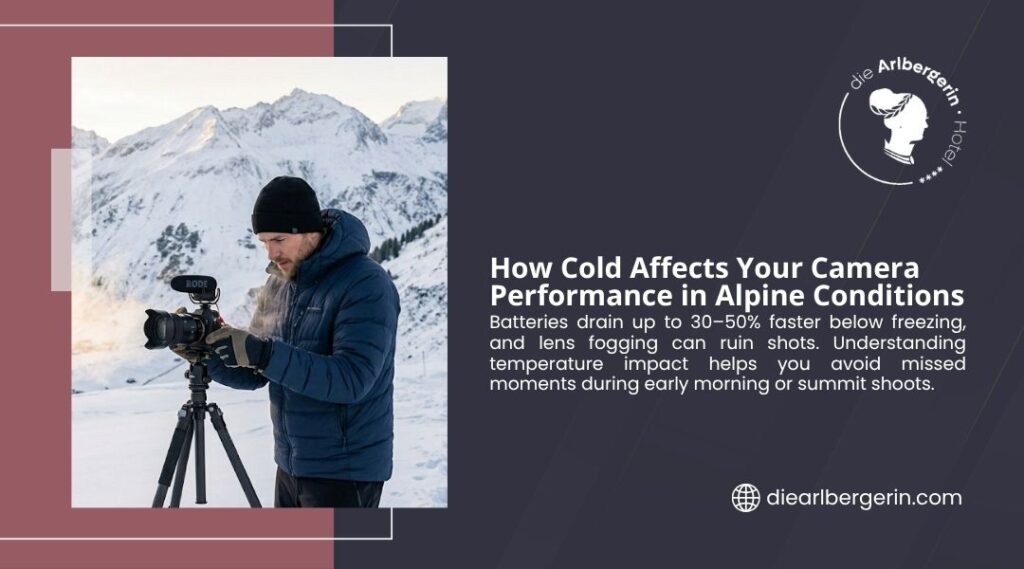
Snow can be tricky. Cameras tend to underexpose bright scenes, leaving images dull.
| Challenge | Solution |
| Overexposed snow | Increase exposure (+1 to +2 EV) slightly |
| Flat images | Use shadows for depth |
| Lack of contrast | Include objects like trees or skiers |
| Harsh midday light | Shoot from angles, not directly into light |
Ski slopes, especially, work well as leading lines. They guide the viewer’s eye naturally through the frame.
Things to Do in St Anton While Capturing Photos
Photography blends naturally with daily activities in St Anton, Austria. The best images often come from moments between planned experiences.
| Activity | Photo Opportunity |
| Skiing | Dynamic motion on slopes |
| Après-ski | Warm lighting, social scenes |
| Ice skating | Reflections on ice surfaces |
| Dining | Interior contrast with snow outside |
| Walking trails | Quiet, textured landscapes |
If you’re exploring beyond skiing, there are plenty of things to do in St. Anton am Arlberg without skiing, from winter hiking and spa experiences to local dining and scenic alpine views, offering a well-rounded way to enjoy the destination.
Where to Stay for the Best Photo Access
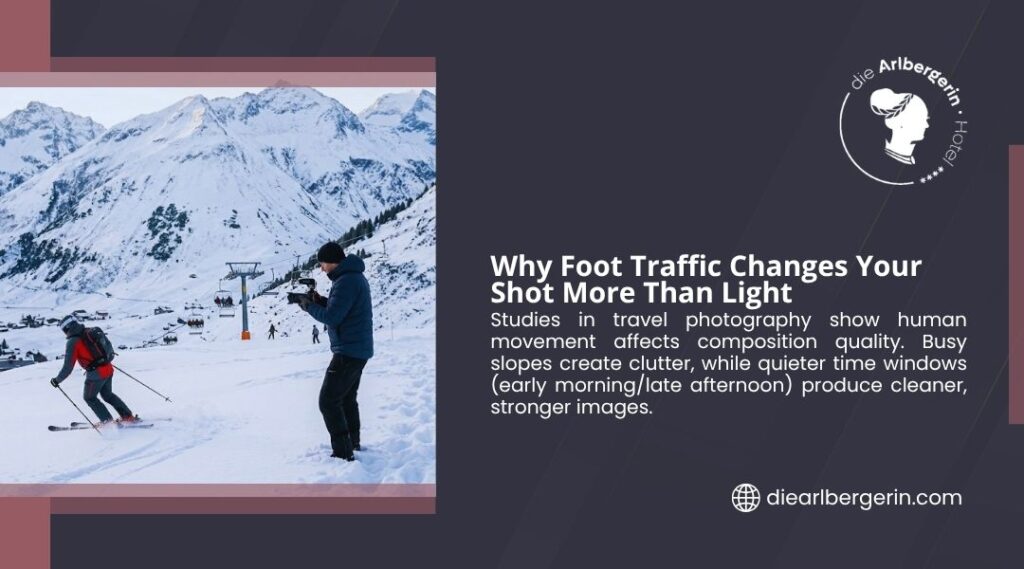
Where you stay directly affects what you can capture. Early morning and late evening shots require proximity. A centrally located stay allows quick access to ski slopes at first light, easy return for equipment changes, and flexibility to shoot during changing conditions.
At places like Die Arlbergerin, the concept goes beyond accommodation. Being family-run since 1945, the experience is built around flexibility, no rigid schedules, just space to move at your own pace. It’s also designed as an adults-friendly (10+) retreat, offering a calmer atmosphere that suits photographers looking for quieter mornings and evenings.
The hotel also emphasizes sustainable practices, using regional products and energy-conscious systems, which align with the surrounding alpine environment you’re capturing. You can explore available hotel rooms.
If you want to capture sunrise without rushing, staying closer to the slopes lets you wake up closer to first light rather than chasing it. Winter availability fills quickly during peak ski season, so planning gives you better positioning for both views and access.
Winter Experiences That Elevate Your Photography
Some moments simply photograph better. Cable cars provide aerial perspectives. A quiet dinner in a traditional setting creates contrast between warm interiors and cold surroundings. Even something as simple as stepping out after snowfall can produce a scene that feels untouched.
Exploring local food culture also adds visual depth. Traditional dishes and rustic interiors, often associated with traditional Tyrolean food to try in St. Anton, offer strong indoor compositions with rich textures, warm lighting, and an authentic Alpine atmosphere. This stay + experience + shoot rhythm is what shapes a complete visual story.
Winter light behaves differently in alpine regions. As noted by the National Snow and Ice Data Center, snow can reflect up to 80–90% of sunlight, which softens shadows and spreads light more evenly across landscapes. That’s why photos in St Anton, Austria, often appear brighter and more balanced than expected.
Planning Your Trip to Capture These Views
Planning matters as much as execution. Weather, access, and travel time all influence what you can shoot. Arriving early in your trip gives you flexibility to adjust for the weather. Choosing the right transport route also affects your experience. Scenic arrivals often set the tone for photography.
Planning makes travel smoother, especially when timing matters. Understanding how to get from Innsbruck Airport or Munich to St. Anton am Arlberg by train helps you stay flexible. That flexibility can make a big difference, allowing you to catch short weather windows that shape the best winter photo spots in St. Anton am Arlberg.
FAQs About Photo Spots in St. Anton am Arlberg in Winter
Where is the most beautiful place to visit in Austria in winter?
Regions like St Anton am Arlberg, Hallstatt, and Zell am See stand out, but St Anton offers a rare mix of high alpine views and accessible ski terrain.
What is the most Christmassy town in Austria?
Innsbruck and Salzburg are known for Christmas markets, but smaller alpine villages near St Anton, Austria, often feel more authentic.
What is the prettiest town in Austria?
This depends on preference, but St Anton am Arlberg combines dramatic mountain scenery with traditional architecture.
Is St Anton in Tirol?
Yes, St Anton am Arlberg is located in the Tyrol region of western Austria.
When is the best time to photograph St Anton in winter?
Late December to February offers the best snow conditions, while January often provides the clearest skies.
What lens is best for alpine photography?
A combination of 24–70mm for landscapes and 70–200mm for action works well.
Can beginners capture good photos in St Anton?
Yes, the landscape naturally supports strong compositions, especially during golden hour.
Make Your Winter Trip Worth Capturing
The best photo spots in St. Anton am Arlberg in winter are not fixed locations. They change with light, weather, and timing. What matters is how you move through the landscape and respond to those shifts.
Choosing the right base, understanding the terrain, and allowing space in your schedule all shape the outcome. If you’re planning a stay, exploring options can help you align your trip with the conditions you want to capture.
Because in the end, the strongest images don’t come from rushing, they come from being in the right place at the right moment, ready to notice what others miss. Plan your stay, wake up closer to first light, and experience St. Anton the way it’s meant to be.